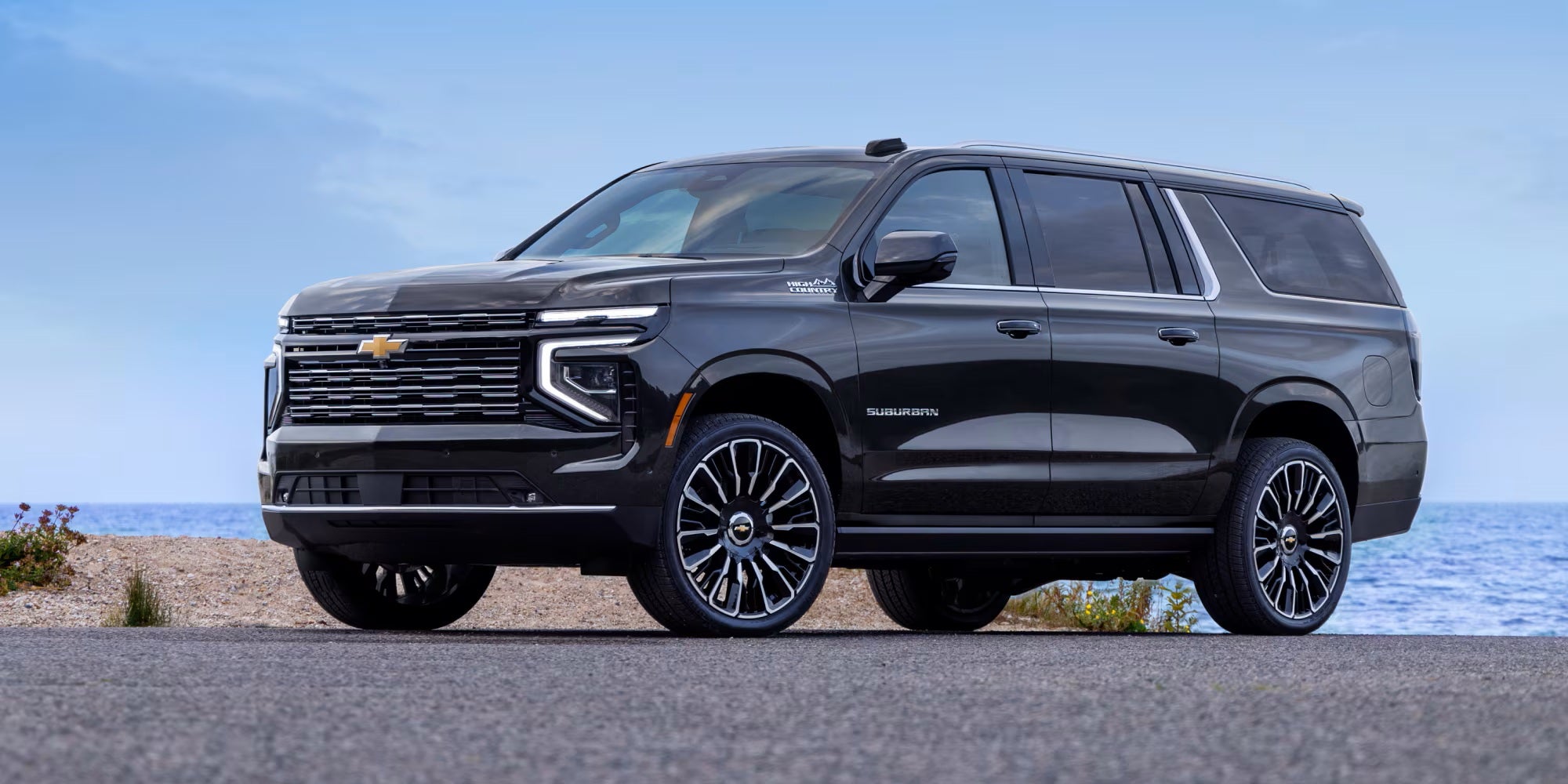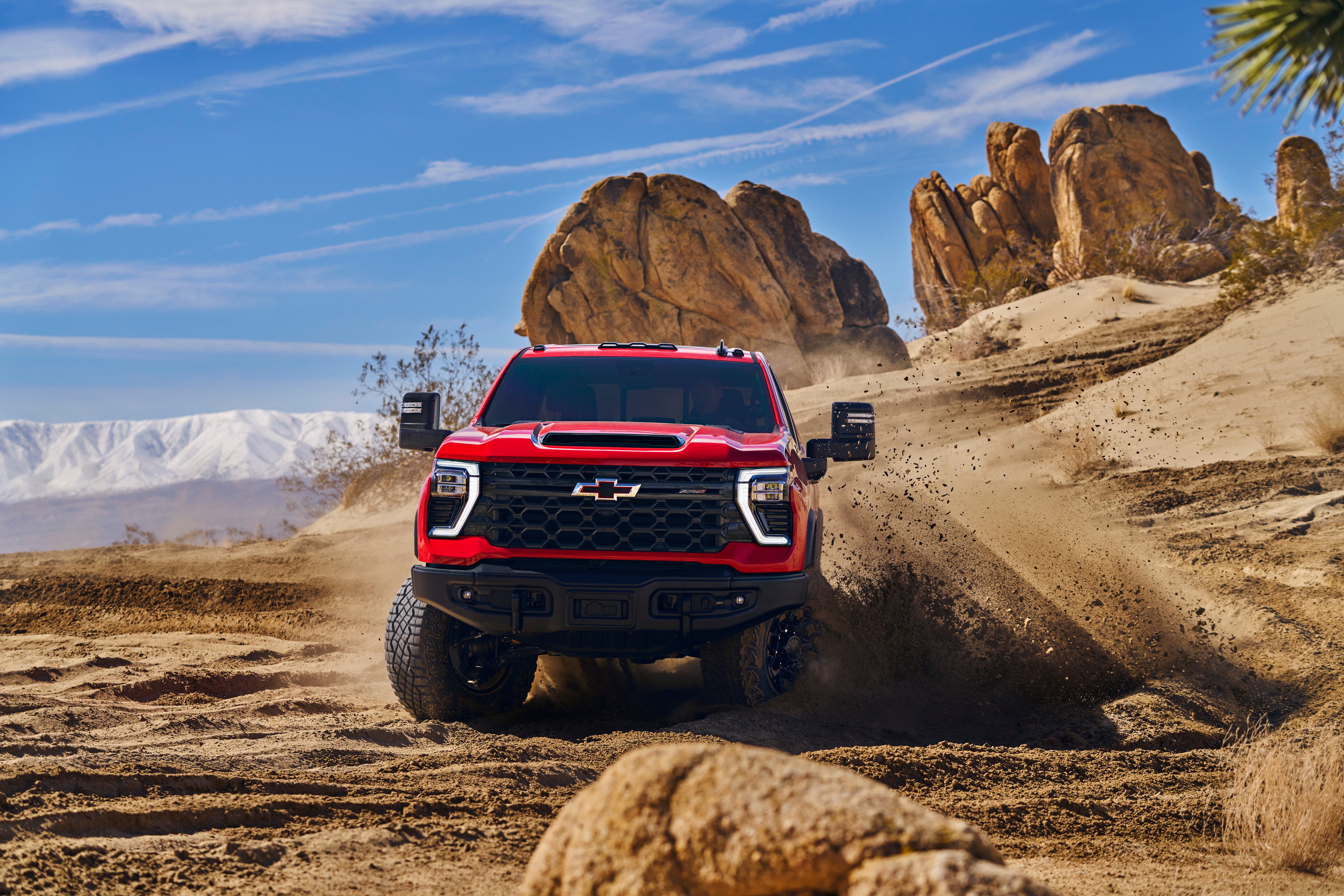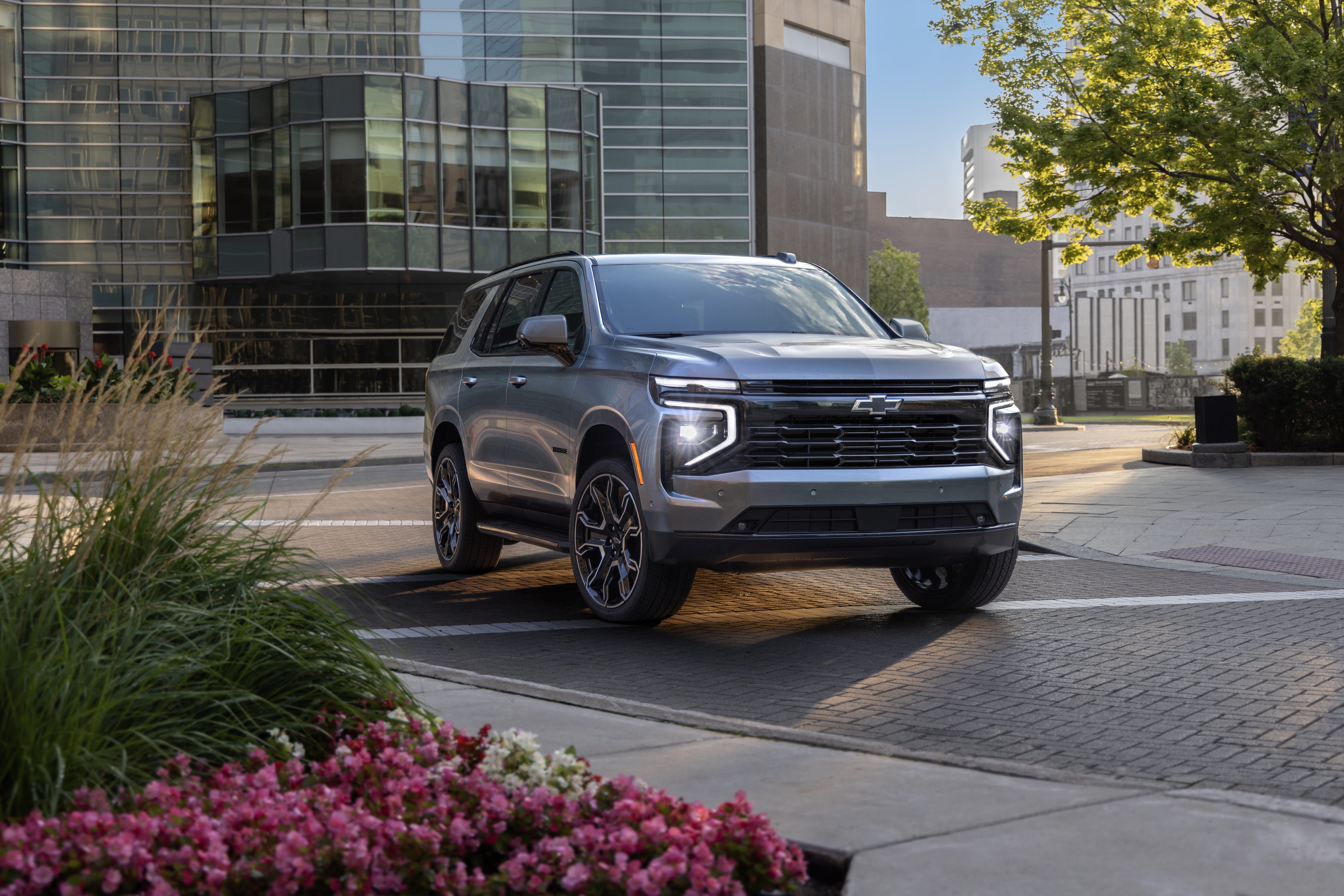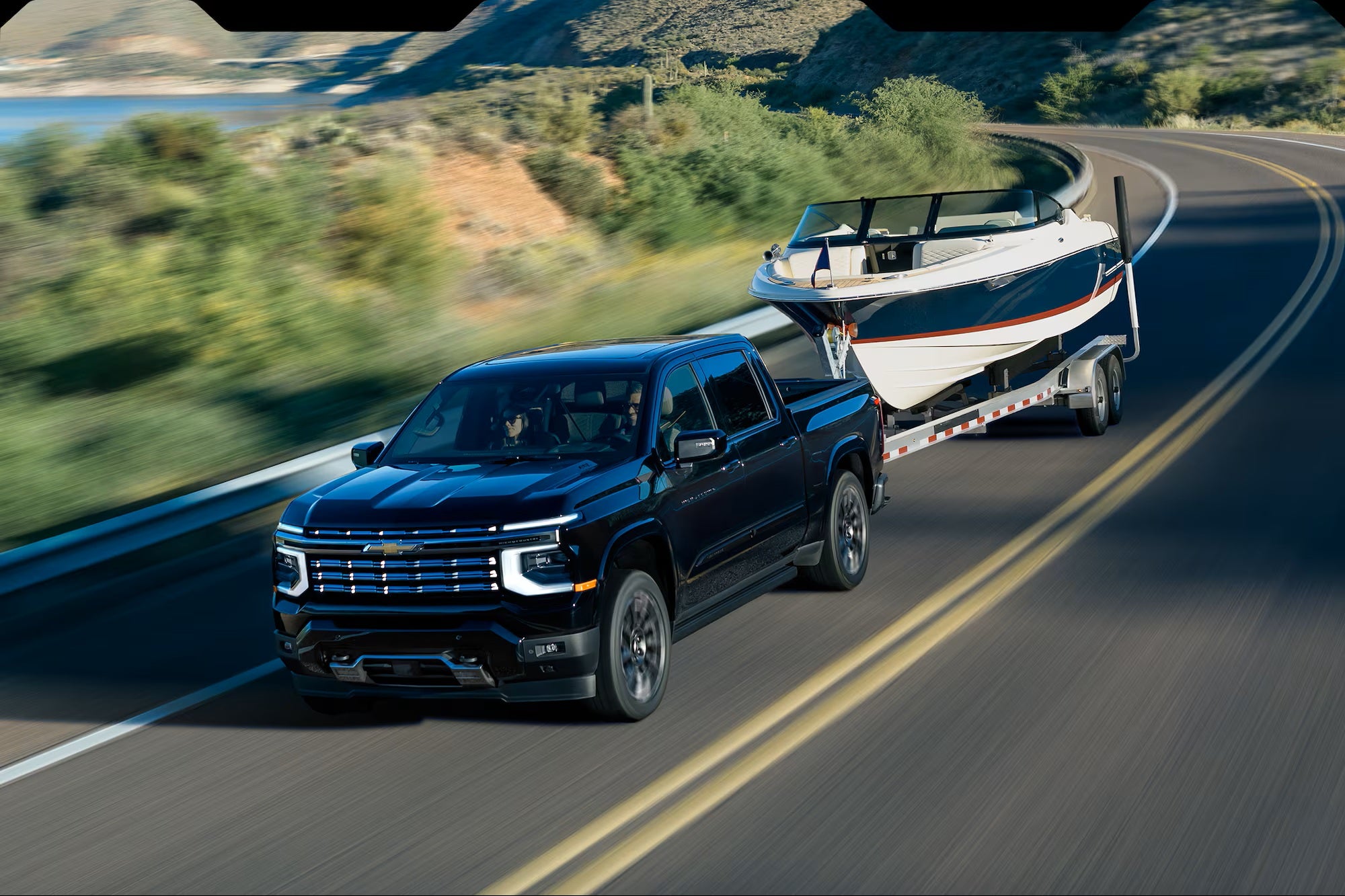



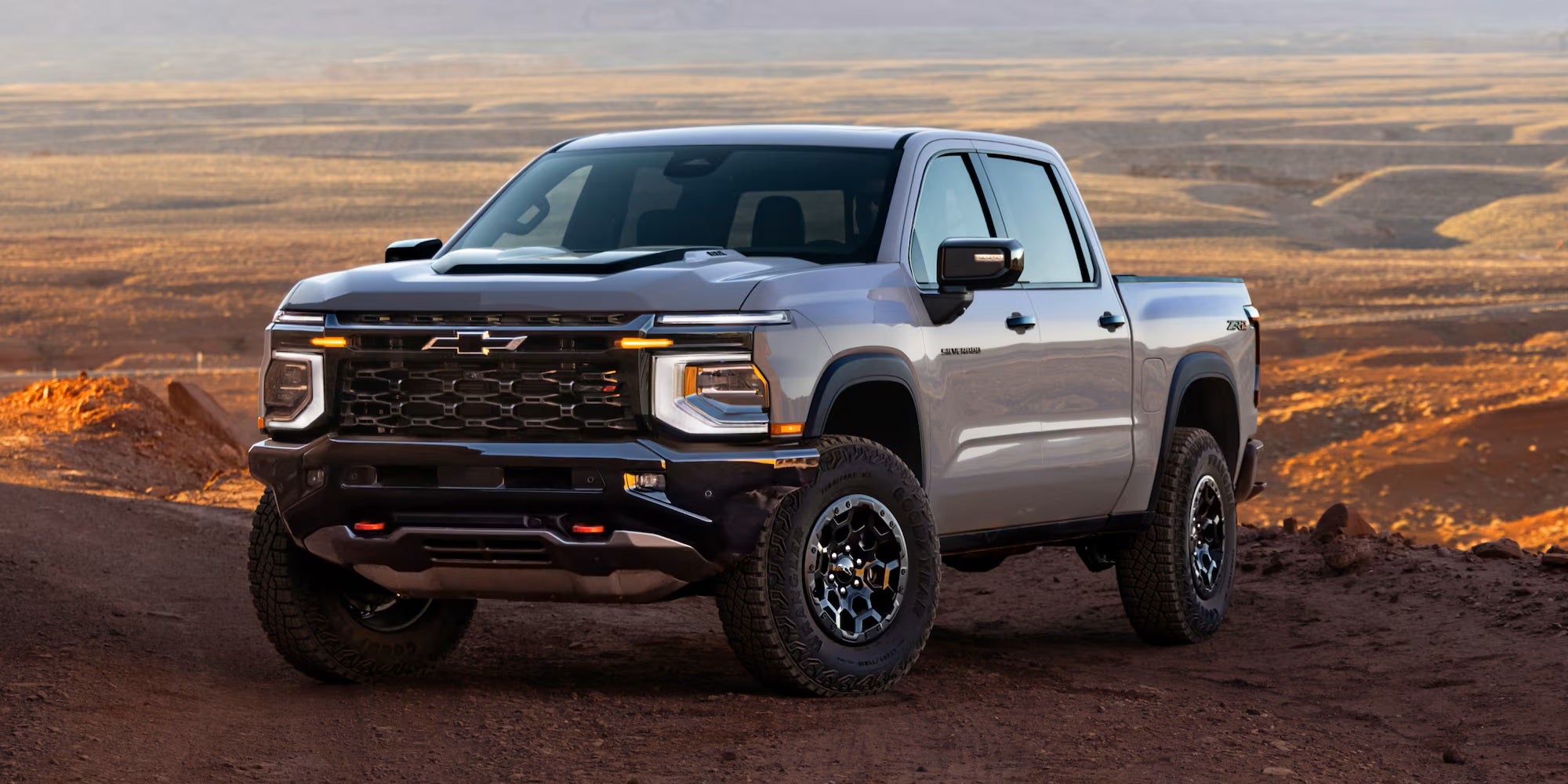
Choosing between a Toyota Tundra and the 2027 Chevy Silverado starts with how you actually use a truck: who rides along, what goes in the bed, and what you tow. At Northwest Chevrolet in McKenna, part of our parent dealer group, Dinsmore Auto Group, we help you compare Chevrolet trucks around those everyday needs. The Silverado discussed here is the light-duty Silverado 1500, not an HD model, and Chevrolet lists its redesigned 2027 truck for availability beginning in late 2026. Key Takeaways Compare similarly equipped trucks rather than assuming matching trim levels offer matching capability. Published towing maximums do not describe every cab, bed, and drivetrain combination. Passengers, accessories, cargo, and trailer tongue weight all use available payload. Fuel choice, maintenance coverage, and warranty terms belong in the ownership comparison. Comparable Trims, Equipment, and Budget A Tundra SR5 and Silverado LT are useful starting points for an everyday truck comparison, but they are not automatically equivalent in equipment or purchase cost. Match the cab, drivetrain, engine, and towing equipment before comparing actual offers. For family use around McKenna, start with a Tundra CrewMax and Silverado Crew Cab. Then decide whether four-wheel drive, heated seats, or a longer bed belongs on your must-have list. A truck with extra comfort equipment may be appealing, but those additions can change both its cost and remaining payload. One detail worth checking during a dealership comparison is what comes standard versus what requires a package. We recommend reviewing the window sticker and build sheet together, rather than treating the trim badge as a complete equipment list. Engine Choices and Everyday Driving The Silverado offers more engine types, while the Tundra offers gasoline and hybrid twin-turbo V6 powertrains. That gives shoppers different ways to balance towing needs, driving feel, and fuel expenses. For 2027, Chevrolet lists an updated TurboMax, its turbocharged four-cylinder engine, alongside new 5.7-liter and 6.6-liter V8 engines. The Duramax 3.0-liter Turbo-Diesel, Chevrolet’s diesel engine option, completes the lineup. All four use a 10-speed automatic transmission. Toyota offers i-FORCE MAX, its available hybrid powertrain combining a twin-turbo V6 with an electric motor, as an alternative to its gasoline twin-turbo V6. Hybrid assistance and diesel power work differently, so neither should be chosen on the assumption that it will automatically deliver the lowest ownership costs. On a test drive, we recommend paying attention to acceleration, transmission response, and ride comfort. Those differences matter on daily drives toward Yelm, even when neither truck has a trailer attached. How Do Towing Ratings Compare With Similar Configurations? The 2027 Silverado has a published maximum towing capacity of 13,700 pounds, but that figure cannot be applied to every Silverado. Chevrolet associates that maximum with the available 5.7-liter V8, while other engines have different limits. For context, Toyota published a 12,000-pound maximum for the 2026 Tundra. That is a year-specific reference, not a substitute for checking the updated Tundra’s configuration-specific rating. Comparing those two headline figures alone does not establish what similarly equipped four-wheel-drive family trucks can tow. For a fair comparison, match a Silverado Crew Cab with a Tundra CrewMax, choose similar bed lengths and the same drivetrain type, then check each truck’s towing documentation. Engine, axle configuration, towing packages, and installed equipment all belong in that check. A frequent point of confusion is trailer weight. Use the trailer’s loaded weight, including supplies and equipment, rather than its empty advertised weight. Also confirm the hitch rating and gross combined weight rating, the maximum permitted weight of the loaded truck and trailer together. How Much Payload Remains With Passengers and a Trailer? Remaining payload equals the truck’s labeled occupant-and-cargo allowance minus the people, cargo, added accessories, and trailer tongue weight it carries. Tongue weight is the downward load a conventional trailer places on the hitch. Consider a hypothetical truck with a 1,700-pound payload allowance. Subtract 600 pounds of passengers, 200 pounds of cargo and hitch equipment, and 750 pounds of tongue weight. That leaves only 150 pounds available, even if the trailer itself is within the truck’s towing limit. This calculation applies to either truck. Chevrolet lists a maximum available payload of 2,340 pounds for the 2027 Silverado with TurboMax, but that is not the allowance for every Silverado. Likewise, Toyota’s published 1,940-pound maximum for the 2026 Tundra does not describe every Tundra. We recommend checking the driver-door loading label early. It is easy to focus on towing capacity and overlook how quickly family seating and trailer tongue weight consume payload. When browsing Northwest Chevrolet inventory, compare the cab, engine, and equipment on individual listings before narrowing your Silverado choices. Cab and Bed Options for Family Seating and Hauling A Silverado Crew Cab and Tundra CrewMax are the natural starting points when rear-seat passengers ride regularly. A smaller cab can make sense when bed space matters more than rear-seat room. The Silverado lineup includes Regular Cab, Double Cab, and Crew Cab layouts. Toyota’s established Tundra combinations include Double Cab models with approximately 6.5- or 8.1-foot beds and CrewMax models with approximately 5.5- or 6.5-foot beds; confirm the combinations offered for the specific model year you are considering. For McKenna drivers carrying tools during the week and family members on weekends, a longer bed can reduce the need to leave the tailgate down. The tradeoff is a longer truck to park and maneuver. Rear-door access is another comparison that becomes clearer in person. Check how easily passengers enter and whether the rear seating position feels comfortable, rather than relying only on the seating count. Fuel, Maintenance, and Warranty Costs Neither truck has one ownership-cost figure that applies to every buyer. Annual mileage, fuel type, towing frequency, insurance, tires, and maintenance all affect what you spend. Compare EPA fuel-economy ratings for the exact engine and drivetrain when available. Estimate annual fuel use by dividing your yearly mileage by the relevant combined mpg figure, then apply local fuel costs. For regular trips toward Olympia, separate everyday driving from towing, since an unloaded fuel-economy rating is not a towing estimate. Your first oil and filter change is covered with Chevrolet when you bring your truck in for its qualifying maintenance visit within the first 12 months. That same visit also includes a tire rotation and a multipoint inspection. For the 2027 Tundra, ToyotaCare covers factory-scheduled maintenance at the 5,000- and 10,000-mile service intervals, subject to its one-year or 10,000-mile limit, whichever comes first. Both brands list three-year/36,000-mile basic coverage, and gasoline powertrain coverage generally extends to five years/60,000 miles. Toyota separately covers qualifying hybrid components and the hybrid battery. Confirm the applicable warranty booklet, particularly when comparing a diesel Silverado with a hybrid Tundra. Explore Silverado Trucks in McKenna Visit Northwest Chevrolet in McKenna, part of the Dinsmore Auto Group, to see our current inventory and discuss 2027 Silverado availability. We can help you narrow the cab, bed, and engine choices, then schedule a test drive in an available truck that fits your needs. Instagram YouTube Facebook LinkedIn *Penned by AI, polished by humans
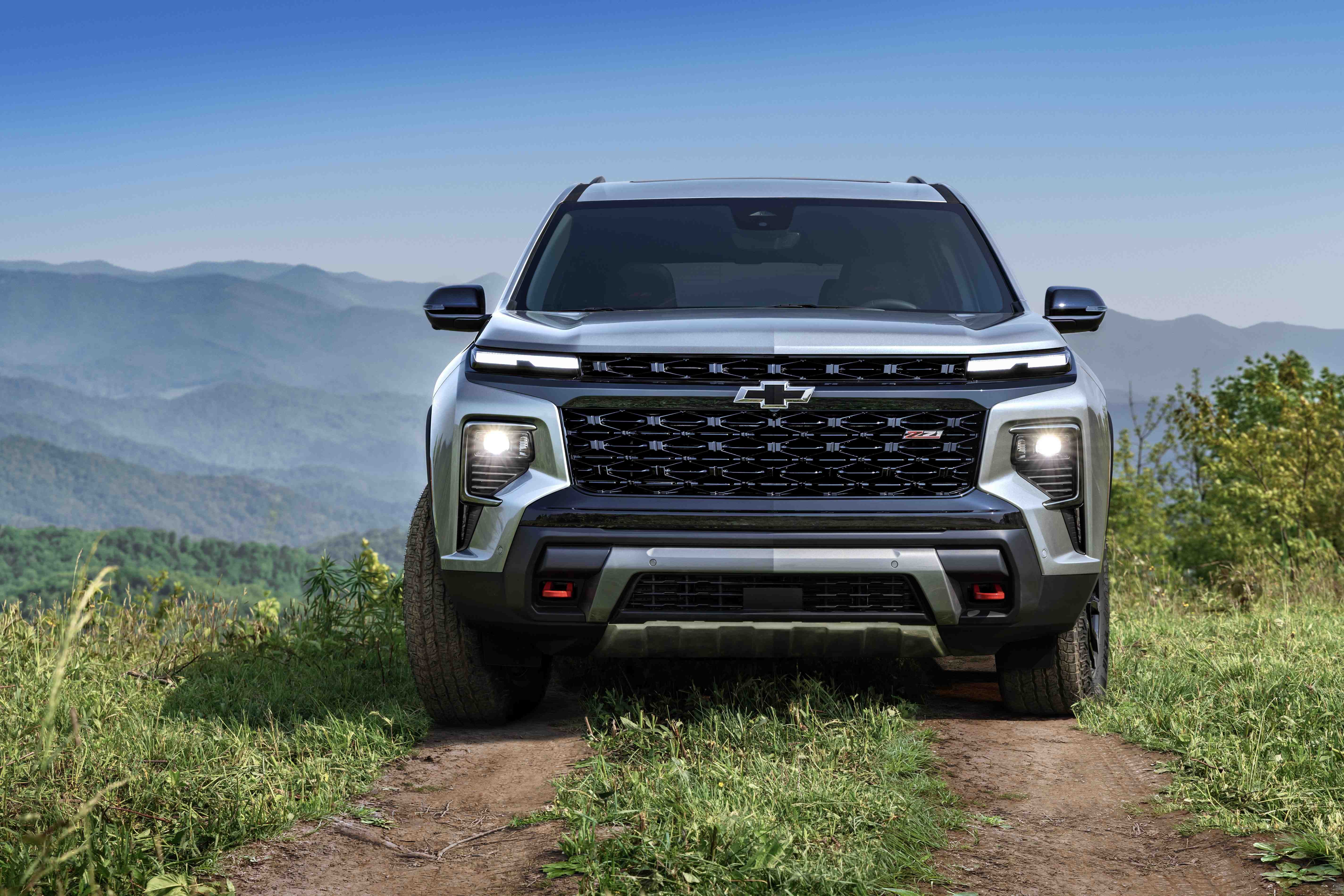
Is the Chevy Traverse Right for Holiday Travel to and from JBLM?
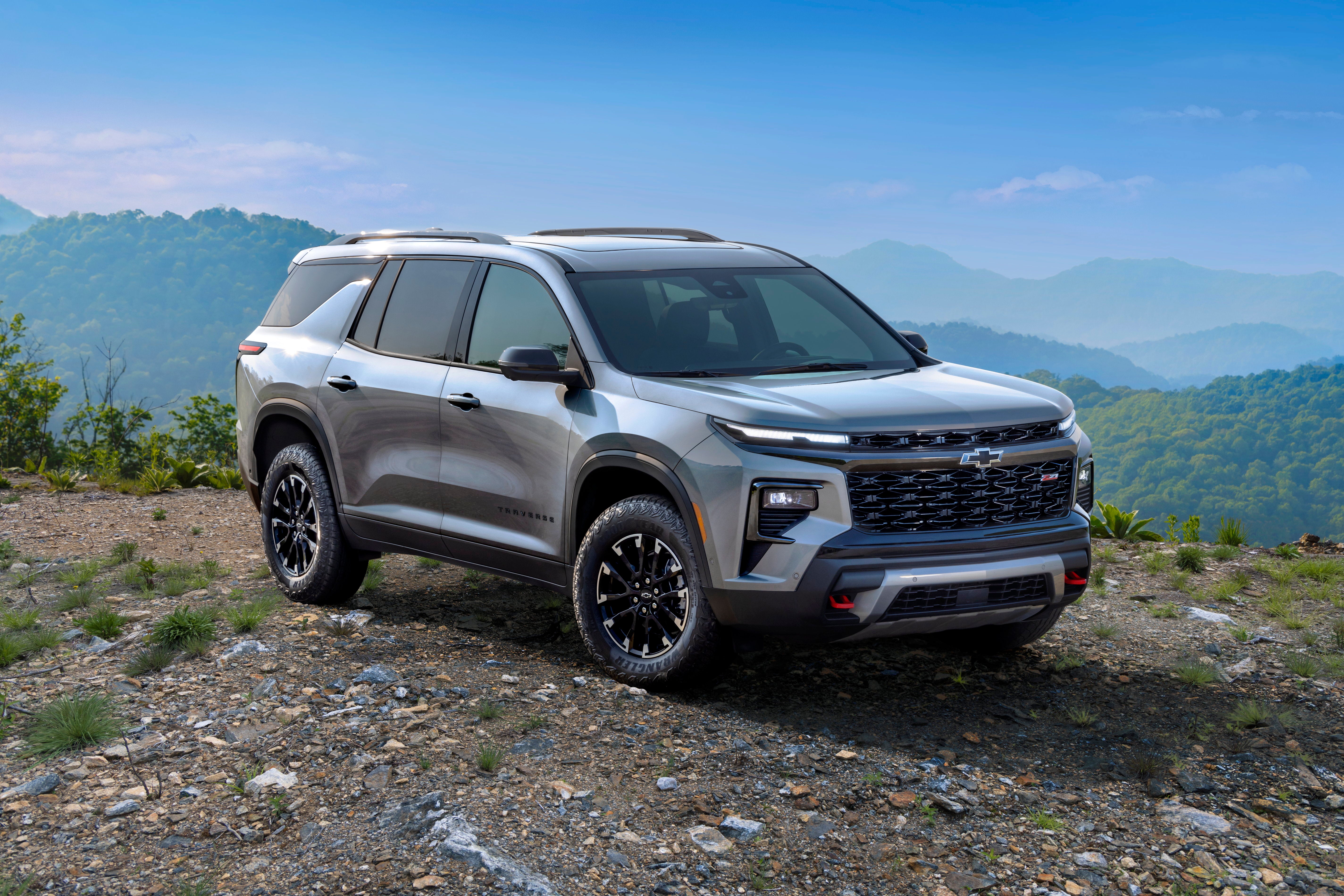
The Chevy Traverse is worth considering for holiday travel to and from Joint Base Lewis-McChord (JBLM), especially when you need three rows without giving up all your luggage room. Here at Northwest Chevrolet in McKenna, part of our parent company, Dinsmore Auto Group, we help shoppers compare Chevrolet vehicles around the trips they actually take. For holiday visits, airport pickups, and drives home on leave, the important questions are straightforward: Who needs a seat, how much is coming along, and which equipment will you use? Key Takeaways The Traverse offers seating for up to eight, depending on its second-row configuration. With every passenger seat available, the Traverse has 22.9 cubic feet behind the third row. Adult third-row comfort deserves an in-person check before a longer trip. Fuel comparisons should account for drivetrain, traffic, distance, and regular gasoline. Winter shopping should include tires, traction equipment, visibility, and driver-assistance features. How Much Luggage Fits With Every Seat Occupied? The Traverse provides 22.9 cubic feet of cargo space behind its third row, so you can carry luggage while keeping every passenger seat available. That is the figure to use when planning a full-vehicle holiday trip, rather than the much larger maximum cargo number. The distinction matters when you are collecting relatives near JBLM or leaving McKenna with passengers in all three rows. Suitcases, duffels, and gift boxes compete for the same space behind the rear seat. Cargo volume does not translate into a guaranteed suitcase count because bag shapes and sizes differ. One detail worth pointing out during a vehicle comparison is that maximum cargo capacity assumes seats are folded. A spacious-looking SUV can still require careful packing when everyone comes along. For a full Traverse, prioritize the space behind the third row and keep luggage secured without blocking the driver’s rearward view. Flexible Seating for Holiday Bags and Gifts Folding the Traverse’s third row opens 56.6 cubic feet behind the second row. Its 60/40 split third-row seat also lets you fold one portion when your passenger count allows, creating room for longer items while retaining some rear seating. That flexibility helps when the outbound and return trips look different. You might leave Yelm with overnight bags, then return with additional gifts. If fewer people are riding home, folding part of the third row gives you more options without changing vehicles. Second-row seating deserves equal attention. The LT offers an available bench that brings capacity to eight, while Z71, RS, and High Country configurations seat seven. Captain’s chairs leave a passage between the second-row seats; a bench adds another seating position. We recommend deciding which arrangement you need before comparing appearance packages or convenience upgrades. If you are narrowing down layouts, browse the Traverse listings at Northwest Chevrolet to compare seating configurations before choosing which vehicles to see. Is the Third Row Comfortable for Adults on Longer Drives? The Traverse’s third row provides approximately 32.1 inches of legroom, but adult comfort depends on height, proportions, and second-row positioning. Adults should try the third row themselves before deciding whether it works for a longer holiday drive. A useful dealership comparison goes beyond whether someone can physically fit. Check foot space, knee clearance, headroom, and how easily you can enter and exit. Sliding the second row changes how room is shared, so evaluate both rows together rather than making one comfortable at the other’s expense. For a short pickup in Lacey, your priorities may differ from those for a day of highway travel. Someone who usually rides in the third row should have a say in the seating decision. We also suggest comparing the ride in the actual trim you are considering, since wheel, tire, and suspension differences can change how a vehicle feels. Comparing Fuel Costs for Holiday Drives Around JBLM Estimate fuel use by dividing your planned mileage by the vehicle’s expected miles per gallon, then multiplying the gallons needed by the gasoline price along your route. The Traverse uses regular unleaded gasoline rated at 87 octane or higher, so premium fuel is not required. For a specific benchmark, the 2027 front-wheel-drive Traverse has EPA-estimated ratings of 20 mpg city, 26 mpg highway, and 22 mpg combined. Check the window sticker on the vehicle you are considering, particularly when comparing front-wheel-drive and all-wheel-drive configurations. Holiday driving rarely matches one neat category. A trip can combine highway miles with local errands, gate traffic, and time spent idling. Use a realistic mix rather than assuming the highway rating applies to the entire journey. When we discuss operating costs, the useful comparison is between similarly equipped vehicles driven on the same route. Include your return mileage and likely side trips. That gives you a more meaningful estimate than comparing fuel-tank size or highway ratings alone. Winter Features Worth Comparing Near JBLM For holiday driving around JBLM, compare the Traverse’s tires, traction equipment, visibility features, and parking assistance. Choose equipment around where you drive, not simply the trim with the most rugged appearance. The Z71 includes the Advanced Twin-Clutch AWD System, Chevrolet’s all-wheel-drive system that can distribute torque between the rear wheels to help manage traction. The Z71 also has an off-road suspension and all-terrain tires. Those differences make it worth evaluating separately from an LT intended mainly for paved-road travel. All-wheel drive does not replace appropriate tires or eliminate stopping-distance concerns on slippery roads. If holiday plans include mountain passes, check route conditions and applicable traction requirements before leaving. Available HD Surround Vision, a camera system that displays views around the vehicle to assist with low-speed maneuvering, is another useful comparison point. It can help when positioning a three-row SUV in a crowded parking area, but it does not replace checking your surroundings. Confirm availability on the specific vehicle’s window sticker or build sheet, and remember that weather and visibility can affect camera performance. Visit McKenna to Test Drive a Traverse The right Traverse should handle your normal passenger load as well as your holiday plans. Compare the seating layout first, then evaluate third-row access, cargo room with the seats raised, and the ride of your preferred trim. Those checks make the decision more useful than choosing from exterior styling alone. Visit Northwest Chevrolet in McKenna, part of the Dinsmore Auto Group, to test drive an available Traverse from our current selection. We can help you compare trims and seating arrangements so you can choose a vehicle that fits both holiday travel and everyday driving. Instagram YouTube Facebook LinkedIn *Penned by AI, polished by humans