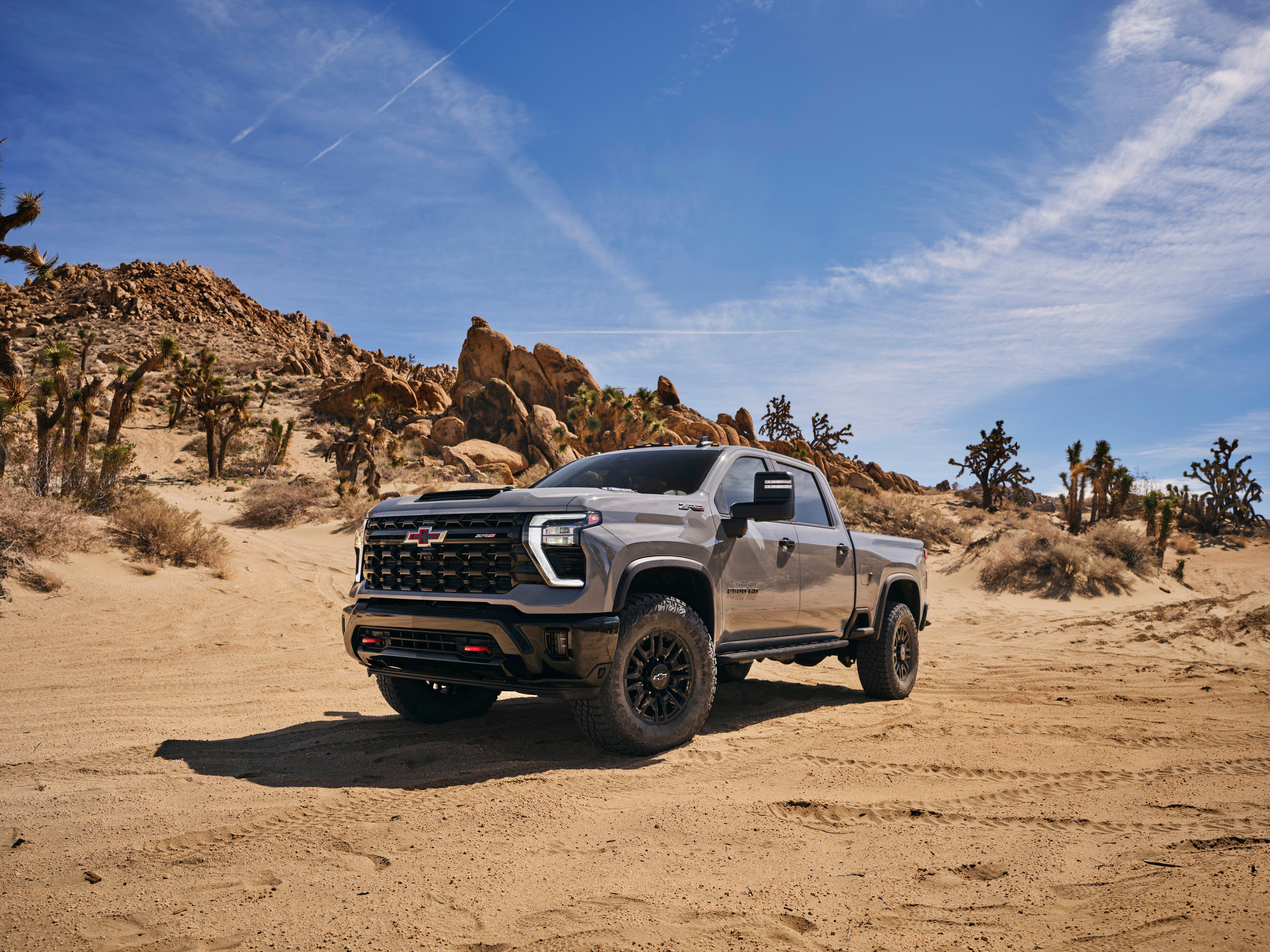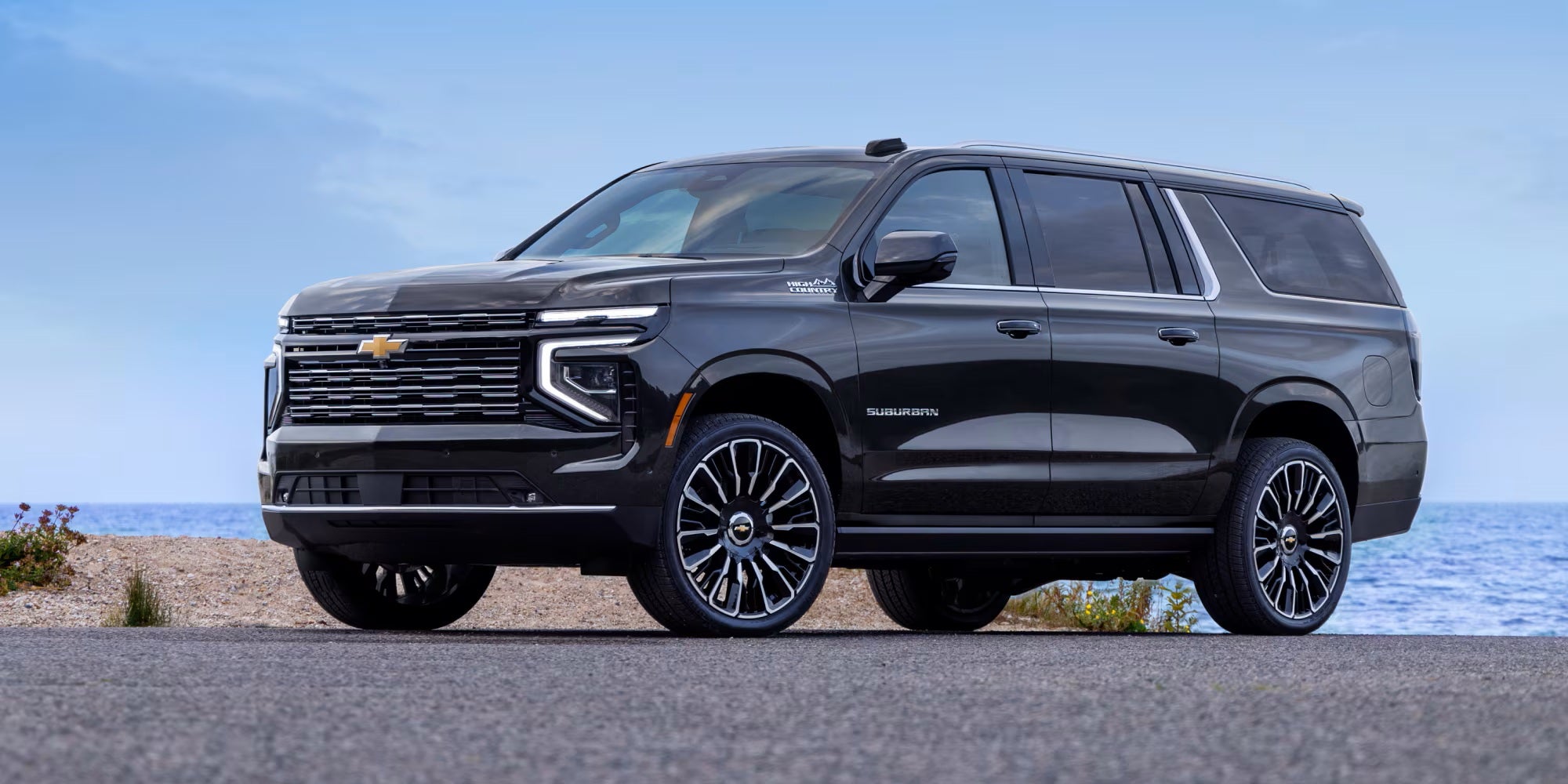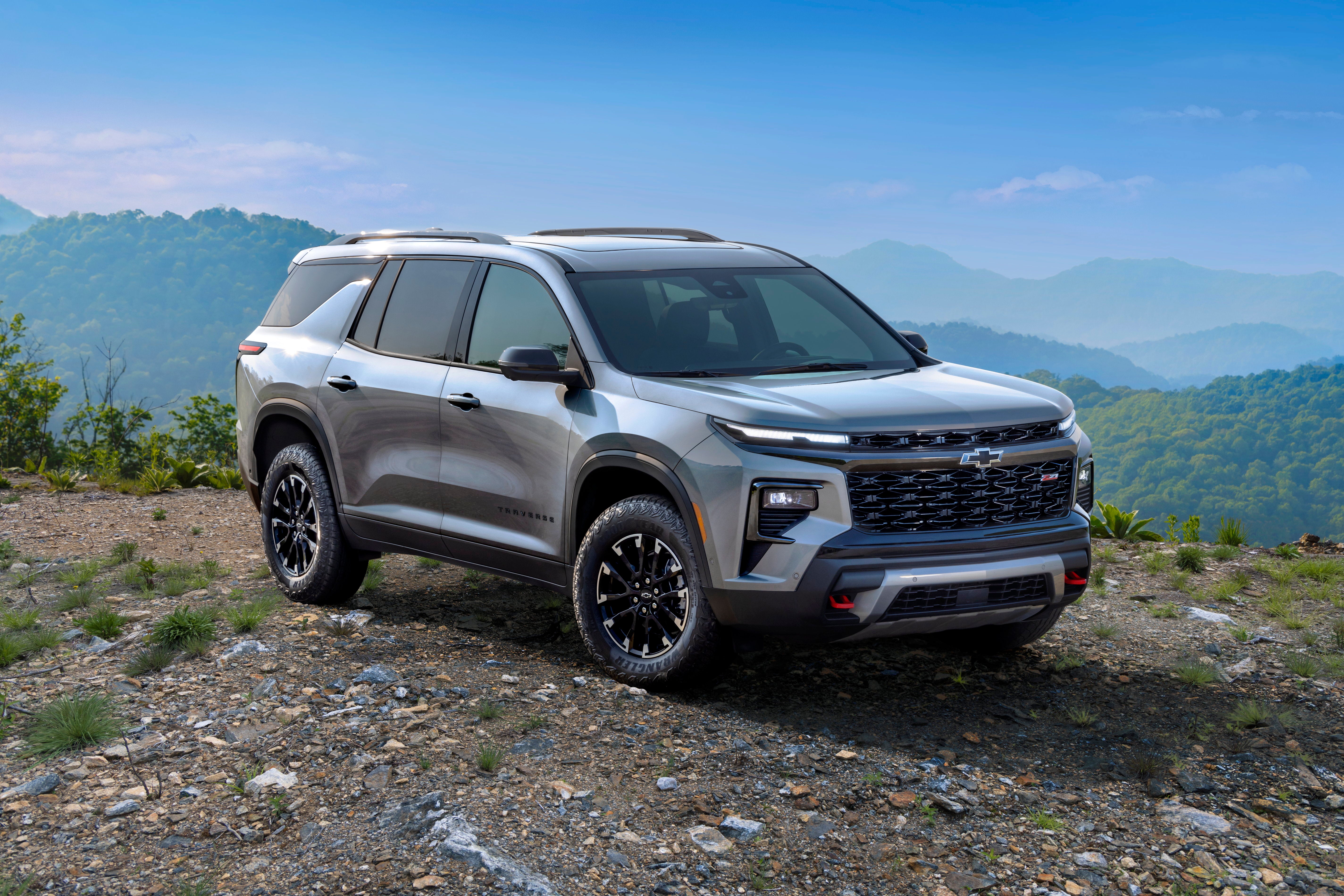




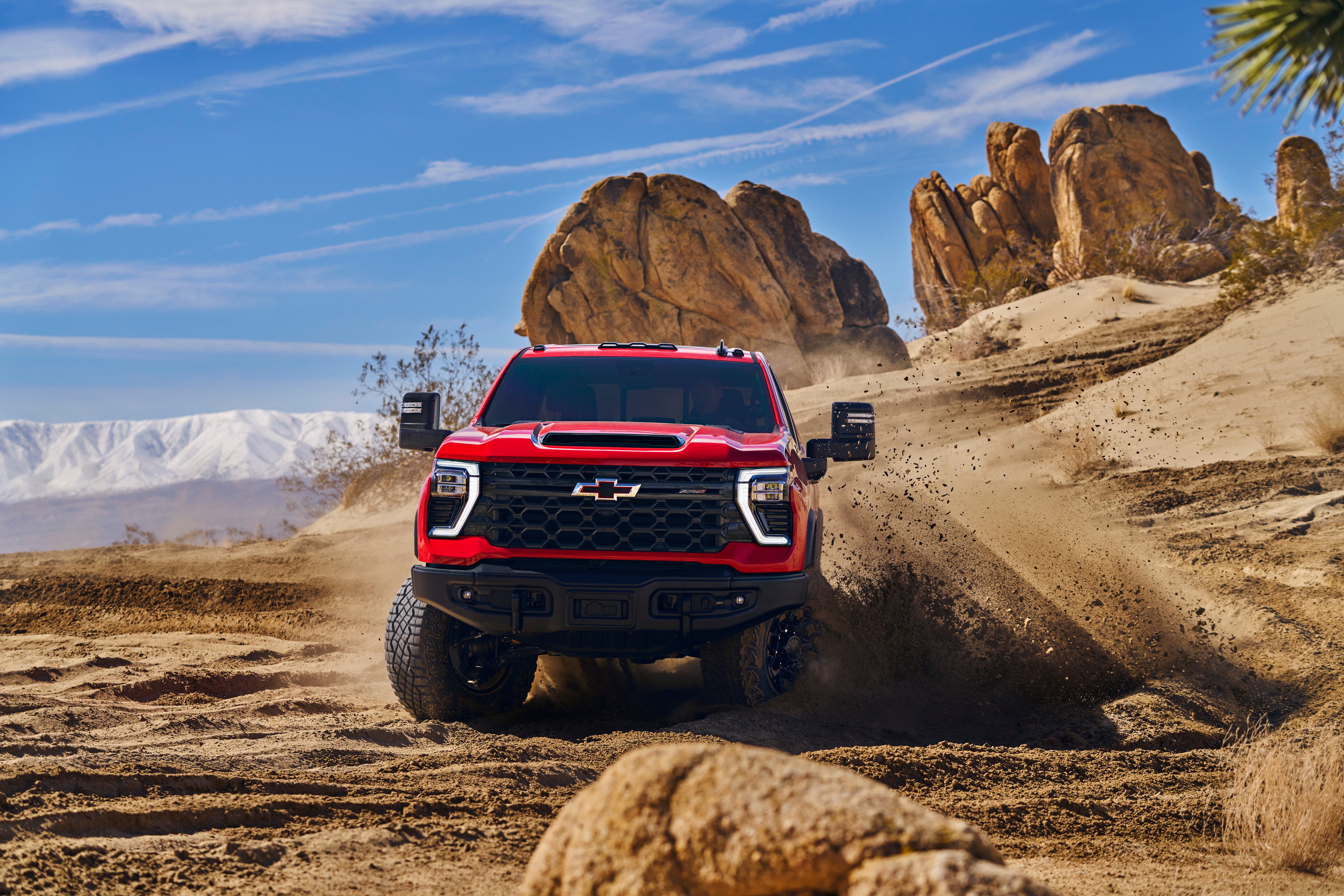
A successful Washington hunting trip starts long before you reach the trailhead. It starts with a truck that fits your route, carries your equipment, and helps you return with everything you brought. Here at Northwest Chevrolet in McKenna, part of the Dinsmore Auto Group, we help hunters evaluate Chevrolet trucks with those practical needs in mind. A Chevy Silverado Trail Boss hunting rig can be a strong choice for backcountry adventures, provided you match its equipment and load capacity to the trip rather than expecting off-road hardware to solve every challenge.
Key Takeaways
The Silverado 1500 Custom Trail Boss and LT Trail Boss offer factory-installed equipment suited to rough-road travel.
Hunting gear, passengers, accessories, and trailer tongue weight must stay within the specific truck’s ratings.
Secure storage, recovery equipment, and emergency supplies deserve space in your packing plan.
Road conditions, legal vehicle access, and parking requirements should be checked before departure.
Comparing available trucks in McKenna helps you choose a configuration that fits both hunting trips and everyday driving.
Is the Silverado Trail Boss Good for Washington Hunting Trips?
Yes, the Silverado Trail Boss can be a capable hunting truck when the roads are legally open, conditions remain within the vehicle’s limits, and the load is properly managed. The Silverado 1500 lineup includes Custom Trail Boss and LT Trail Boss trims, giving shoppers different equipment and comfort choices within the same off-road-focused family.
Both trims feature a 2-inch factory suspension lift with the Z71 Off-Road Package, an Autotrac two-speed transfer case, and an automatic locking rear differential. These features provide a useful foundation for traveling uneven access roads. The lift adds clearance compared with the corresponding non-lifted configuration, while the transfer case provides low-range gearing for situations that require controlled, low-speed travel.
That makes a Silverado Trail Boss for hunting worth considering if your outings combine highway miles, gravel roads, and rougher approaches to established parking areas. A hunter leaving Yelm before sunrise might value a truck that handles the drive to the hunting area while keeping bulky supplies outside the passenger cabin.
However, a full-size pickup has limits. Its width, length, turning space, and loaded clearance matter on narrow roads. Four-wheel drive does not eliminate the risks of sliding, getting stuck, or damaging the underbody. The right Chevy hunting truck is one that suits your actual access route, not simply the most rugged-looking vehicle on the lot.
What Should McKenna Hunters Check Before Departure?
Start with the specific truck, not a general specification chart. Review its owner’s manual, tire information, payload label, and applicable towing ratings. Equipment varies by model year and configuration, so verify the features of the vehicle you plan to take.
Payload planning is especially important. Passengers, hunting equipment, coolers, aftermarket accessories, and trailer tongue weight all contribute to the truck’s load. A bed that still has room does not necessarily mean the truck has capacity remaining.
Before a remote trip, we recommend checking:
Tire condition, pressure, and the suitability of the spare.
Brakes, fluid levels, lights, and windshield wipers.
Battery condition and the equipment needed to address a starting problem.
Load security and access to emergency supplies.
Fuel needs for the outbound drive, return trip, and reasonable detours.
Our McKenna location includes service and parts departments, giving shoppers a place to discuss maintenance and equipment questions before heading out. That preparation matters more than adding accessories without a clear purpose.
If you are comparing Silverado trucks for sale in McKenna, browse the current selection at Northwest Chevrolet and ask us to walk through available Trail Boss configurations. Bring your passenger count, typical gear load, and any trailer information so the comparison reflects how you will actually use the truck.
How Can Hunters Organize Gear and Recovery Equipment?
Effective truck hunting gear storage starts with separating equipment by purpose. Keep frequently needed items accessible, protect sensitive supplies from moisture, and secure heavy cargo so it cannot shift during braking or rough-road travel.
For example, a weekend setup could place secured coolers toward the front of the bed, weather-resistant gear containers alongside them, and recovery supplies where they can be reached without unloading everything. Keep a first-aid kit and essential emergency items accessible from the cab.
A tonneau cover or camper shell may help protect equipment, but check the product’s weather protection, security, fit, and weight. Neither should be treated as a guarantee that contents will stay dry or remain secure. Pack vulnerable items accordingly.
A practical remote-trip kit can include:
Rated recovery equipment compatible with the truck’s designated recovery points.
A shovel and traction boards for appropriate situations.
A tire-pressure gauge, portable compressor, and suitable tire-repair supplies.
A first-aid kit, headlamps, spare batteries, and emergency shelter.
Extra food, drinking water, warm layers, and rain protection.
Offline maps and a communication plan, with a satellite communicator considered for areas without cellular coverage.
Recovery requires judgment as well as equipment. Never attach recovery gear to an ordinary hitch ball, and do not improvise attachment points. Follow the vehicle and equipment manufacturers’ instructions, stay clear of loaded recovery lines, and seek qualified assistance when the situation exceeds your experience.
Firearms and ammunition also need a deliberate transport plan. Follow applicable laws and firearm safety practices, and arrange storage before departure rather than improvising at the trailhead.
How Should Hunters Plan Washington Backcountry Access?
Backcountry hunting trip planning should begin with legal access. A road appearing on a navigation screen does not establish that it is open to motor vehicles, suitable for a full-size truck, or available during your hunt.
Use Washington Department of Fish and Wildlife planning resources alongside information from the agency or landowner managing your destination. Check current road restrictions, closures, hunting boundaries, and permission requirements. For national forest routes, consult the applicable motor vehicle use map and current forest notices.
Washington also has Green Dot road systems in designated areas, including portions of Yakima and Kittitas counties. These systems identify routes managed for motorized access while protecting surrounding habitat. They are not a statewide rule for every hunting road.
Confirm parking requirements separately. A WDFW Vehicle Access Pass applies to WDFW lands, while a Discover Pass covers specified state recreation lands, including those managed by Washington DNR and State Parks. Neither replaces private-land permission.
For hunters traveling from Olympia, pavement can be only the first part of the journey. Depending on elevation, weather, and location, later miles may involve loose gravel, ruts, mud, snow, ice, or fallen debris. Silverado Trail Boss off-road capability can help with suitable rough-road conditions, but it does not make unstable slopes, flooded crossings, or blocked routes safe.
Ready to build a setup around your real hunting needs? Visit Northwest Chevrolet in McKenna, part of the Dinsmore Auto Group, to browse our current selection, confirm available Silverado Trail Boss models, and schedule a test drive. We can help you compare truck configurations and discuss practical preparation before your next Washington backcountry trip.
*Penned by AI, polished by humans