


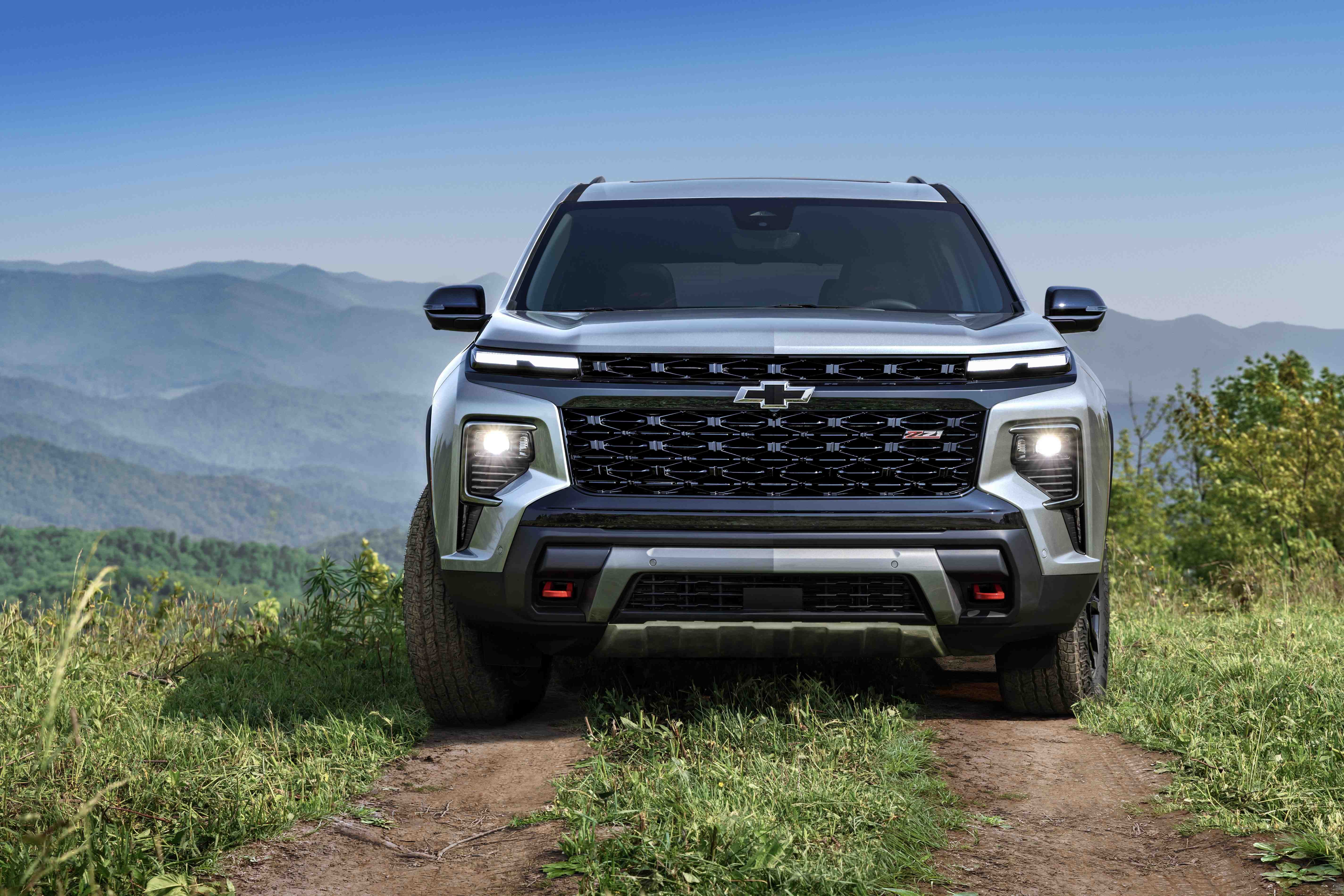
The Chevy Traverse is worth considering for holiday travel to and from Joint Base Lewis-McChord (JBLM), especially when you need three rows without giving up all your luggage room. Here at Northwest Chevrolet in McKenna, part of our parent company, Dinsmore Auto Group, we help shoppers compare Chevrolet vehicles around the trips they actually take. For holiday visits, airport pickups, and drives home on leave, the important questions are straightforward: Who needs a seat, how much is coming along, and which equipment will you use?
Key Takeaways
The Traverse offers seating for up to eight, depending on its second-row configuration.
With every passenger seat available, the Traverse has 22.9 cubic feet behind the third row.
Adult third-row comfort deserves an in-person check before a longer trip.
Fuel comparisons should account for drivetrain, traffic, distance, and regular gasoline.
Winter shopping should include tires, traction equipment, visibility, and driver-assistance features.
How Much Luggage Fits With Every Seat Occupied?
The Traverse provides 22.9 cubic feet of cargo space behind its third row, so you can carry luggage while keeping every passenger seat available. That is the figure to use when planning a full-vehicle holiday trip, rather than the much larger maximum cargo number.
The distinction matters when you are collecting relatives near JBLM or leaving McKenna with passengers in all three rows. Suitcases, duffels, and gift boxes compete for the same space behind the rear seat. Cargo volume does not translate into a guaranteed suitcase count because bag shapes and sizes differ.
One detail worth pointing out during a vehicle comparison is that maximum cargo capacity assumes seats are folded. A spacious-looking SUV can still require careful packing when everyone comes along. For a full Traverse, prioritize the space behind the third row and keep luggage secured without blocking the driver’s rearward view.
Flexible Seating for Holiday Bags and Gifts
Folding the Traverse’s third row opens 56.6 cubic feet behind the second row. Its 60/40 split third-row seat also lets you fold one portion when your passenger count allows, creating room for longer items while retaining some rear seating.
That flexibility helps when the outbound and return trips look different. You might leave Yelm with overnight bags, then return with additional gifts. If fewer people are riding home, folding part of the third row gives you more options without changing vehicles.
Second-row seating deserves equal attention. The LT offers an available bench that brings capacity to eight, while Z71, RS, and High Country configurations seat seven. Captain’s chairs leave a passage between the second-row seats; a bench adds another seating position. We recommend deciding which arrangement you need before comparing appearance packages or convenience upgrades.
If you are narrowing down layouts, browse the Traverse listings at Northwest Chevrolet to compare seating configurations before choosing which vehicles to see.
Is the Third Row Comfortable for Adults on Longer Drives?
The Traverse’s third row provides approximately 32.1 inches of legroom, but adult comfort depends on height, proportions, and second-row positioning. Adults should try the third row themselves before deciding whether it works for a longer holiday drive.
A useful dealership comparison goes beyond whether someone can physically fit. Check foot space, knee clearance, headroom, and how easily you can enter and exit. Sliding the second row changes how room is shared, so evaluate both rows together rather than making one comfortable at the other’s expense.
For a short pickup in Lacey, your priorities may differ from those for a day of highway travel. Someone who usually rides in the third row should have a say in the seating decision. We also suggest comparing the ride in the actual trim you are considering, since wheel, tire, and suspension differences can change how a vehicle feels.
Comparing Fuel Costs for Holiday Drives Around JBLM
Estimate fuel use by dividing your planned mileage by the vehicle’s expected miles per gallon, then multiplying the gallons needed by the gasoline price along your route. The Traverse uses regular unleaded gasoline rated at 87 octane or higher, so premium fuel is not required.
For a specific benchmark, the 2027 front-wheel-drive Traverse has EPA-estimated ratings of 20 mpg city, 26 mpg highway, and 22 mpg combined. Check the window sticker on the vehicle you are considering, particularly when comparing front-wheel-drive and all-wheel-drive configurations.
Holiday driving rarely matches one neat category. A trip can combine highway miles with local errands, gate traffic, and time spent idling. Use a realistic mix rather than assuming the highway rating applies to the entire journey.
When we discuss operating costs, the useful comparison is between similarly equipped vehicles driven on the same route. Include your return mileage and likely side trips. That gives you a more meaningful estimate than comparing fuel-tank size or highway ratings alone.
Winter Features Worth Comparing Near JBLM
For holiday driving around JBLM, compare the Traverse’s tires, traction equipment, visibility features, and parking assistance. Choose equipment around where you drive, not simply the trim with the most rugged appearance.
The Z71 includes the Advanced Twin-Clutch AWD System, Chevrolet’s all-wheel-drive system that can distribute torque between the rear wheels to help manage traction. The Z71 also has an off-road suspension and all-terrain tires. Those differences make it worth evaluating separately from an LT intended mainly for paved-road travel.
All-wheel drive does not replace appropriate tires or eliminate stopping-distance concerns on slippery roads. If holiday plans include mountain passes, check route conditions and applicable traction requirements before leaving.
Available HD Surround Vision, a camera system that displays views around the vehicle to assist with low-speed maneuvering, is another useful comparison point. It can help when positioning a three-row SUV in a crowded parking area, but it does not replace checking your surroundings. Confirm availability on the specific vehicle’s window sticker or build sheet, and remember that weather and visibility can affect camera performance.
Visit McKenna to Test Drive a Traverse
The right Traverse should handle your normal passenger load as well as your holiday plans. Compare the seating layout first, then evaluate third-row access, cargo room with the seats raised, and the ride of your preferred trim. Those checks make the decision more useful than choosing from exterior styling alone.
Visit Northwest Chevrolet in McKenna, part of the Dinsmore Auto Group, to test drive an available Traverse from our current selection. We can help you compare trims and seating arrangements so you can choose a vehicle that fits both holiday travel and everyday driving.
*Penned by AI, polished by humans