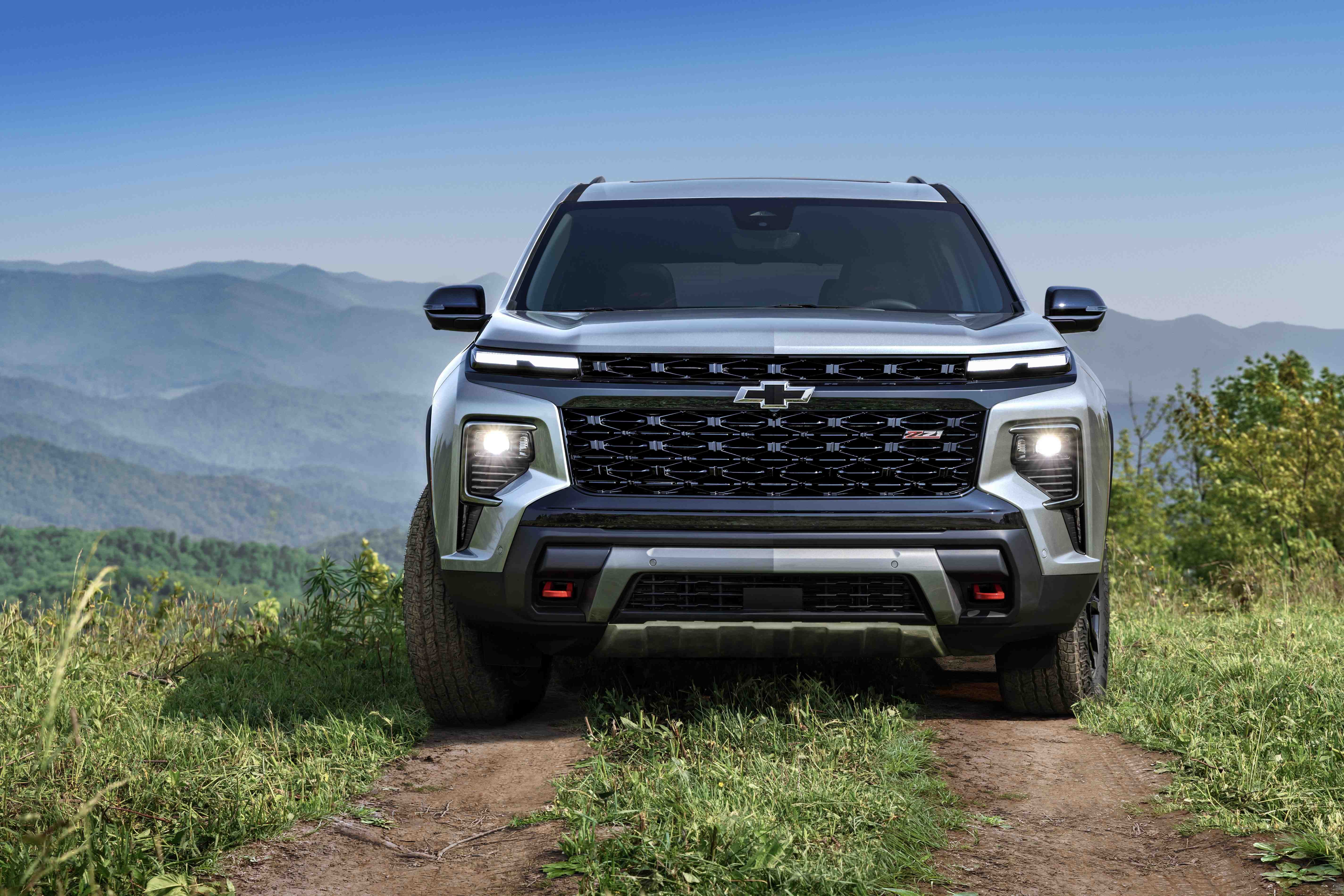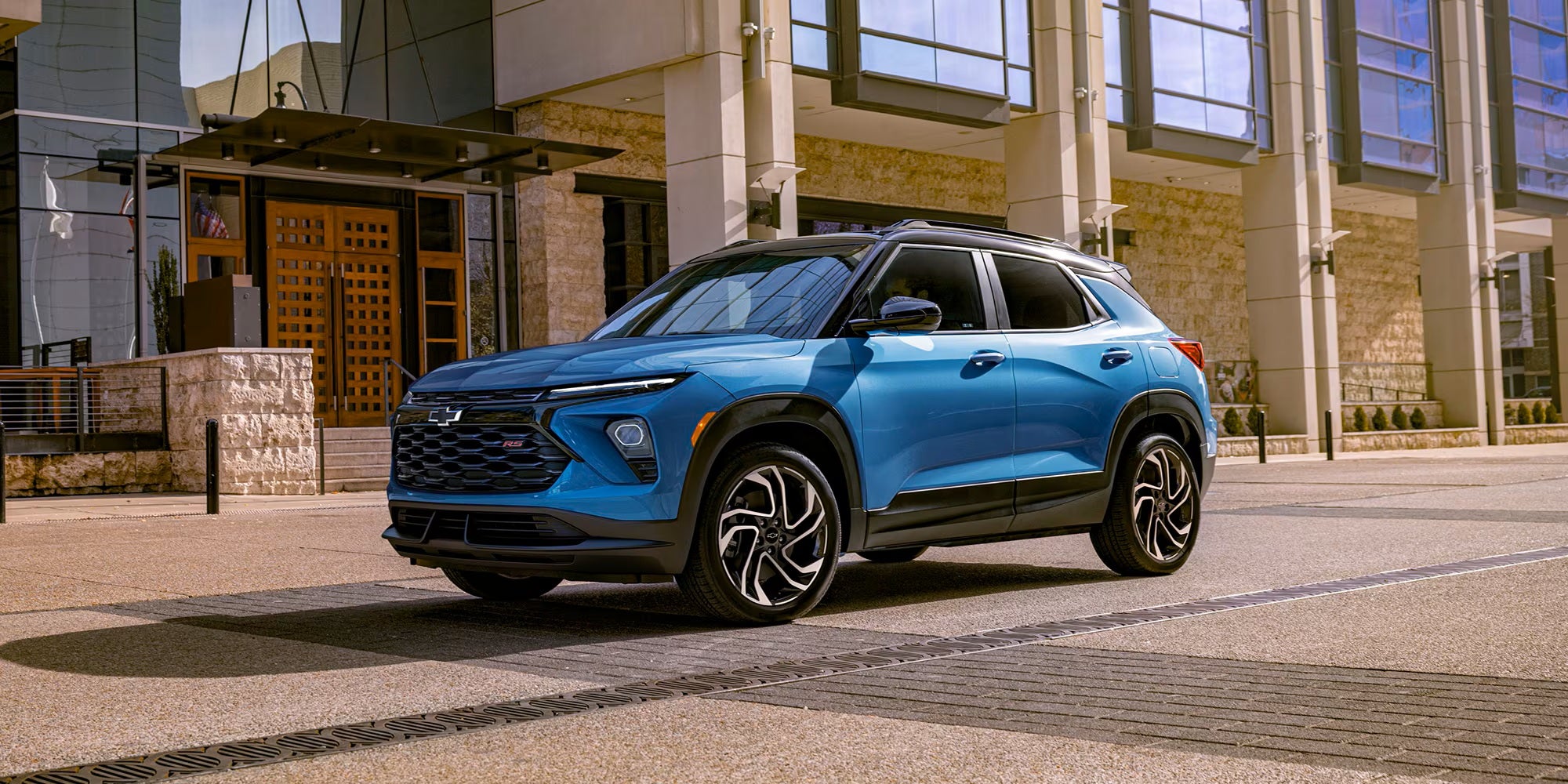




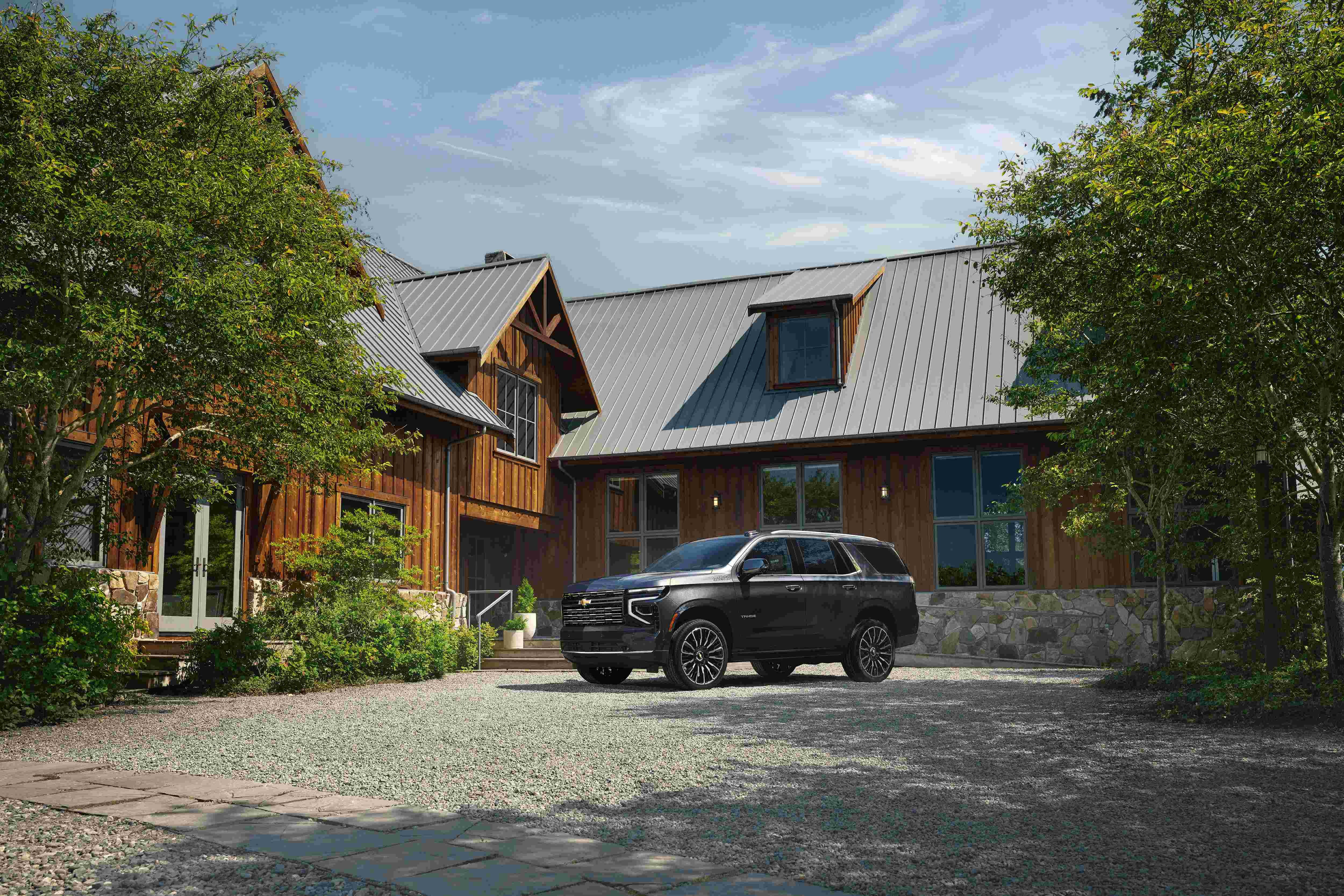
The Chevy Traverse is the better starting point for families focused on everyday practicality, while the Tahoe makes more sense when heavier towing and additional cargo space matter. At Northwest Chevrolet in McKenna, part of our parent dealer group, Dinsmore Auto Group, we help families compare Chevrolet SUVs around the seats they actually use, the driving they do, and the equipment they need.
Key Takeaways
The Traverse balances three-row seating with a lower starting purchase price.
The Tahoe provides more cargo volume behind the third row.
Second-row seating layouts matter when combining child seats with third-row access.
The Tahoe offers substantially more towing capacity when properly equipped.
Everyday Family Driving: Size and Seating
The Traverse is a midsize SUV, while the Tahoe is a full-size SUV built on a truck-based platform. Both offer three rows, but their seating configurations deserve as much attention as their exterior dimensions.
The Traverse seats seven with second-row captain’s chairs or up to eight with the available bench in LT. The Tahoe offers seven- and eight-passenger arrangements, plus an available nine-passenger configuration in LS. That maximum seating number does not describe every vehicle, so check the window sticker before narrowing your choices.
One comparison point we recommend checking early is whether an eighth seat will get used regularly. Captain’s chairs can simplify access between the rows, but a bench provides another seating position for carpools around Yelm. Neither arrangement is automatically better for a growing family. chevrolet
Which SUV Has More Cargo Room Behind the Third Row?
The Tahoe provides 25.5 cubic feet behind its third row, compared with 22.9 cubic feet in the Traverse. That gives the Tahoe more published cargo volume when all three rows remain available for passengers. chevrolet
For families using every row, this comparison matters more than maximum cargo capacity. A large maximum figure describes space with rear seats folded, which does not help much when children occupy those seats.
Cargo shape still affects what fits. The opening, floor dimensions, and seatback angle influence how easily you can load a stroller or stack weekend bags. We recommend looking beyond the headline number and checking the space behind the upright third row before deciding whether the Tahoe’s advantage is necessary.
The Traverse remains practical for everyday family hauling. Its third row has a 60/40 split, allowing you to fold one portion when fewer passengers are riding. chevrolet
Child-Seat Fit and Third-Row Access
Neither SUV is an automatic winner for multiple child seats. The better choice depends on the restraints, the second-row layout, and which seats must stay accessible.
Smart Slide Seats, the Traverse’s second-row seats designed to help passengers reach the third row, are an important part of that comparison. Do not assume that an installed child restraint can remain in place during every seat movement. Follow the specific vehicle’s owner’s manual and the restraint manufacturer’s instructions. chevrolet
With captain’s chairs, the space between the seats may provide a route to the back without moving a second-row seat. A bench adds seating flexibility, but installed restraints can make access more complicated.
A useful dealership comparison is checking where third-row passengers would enter after the child seats are installed. Overall cabin size alone does not answer that question. Review lower-anchor locations, top-tether positions, and buckle access for the exact configuration rather than assuming every rear position works the same way.
While browsing our current selection at Northwest Chevrolet, compare second-row layouts before choosing a trim.
Third-Row Comfort for Growing Children
Both SUVs deserve an in-person third-row check because useful comfort involves more than whether a passenger fits. Knee clearance, foot space, cushion support, and the position of the second row all affect how comfortable the back row feels.
Avoid judging the third row with the second row pushed farther forward than its regular passengers would tolerate. Set the middle row realistically, then assess the remaining space.
This is one area where a short comparison can reveal something a specification sheet cannot: whether an older child can sit naturally rather than turning sideways or squeezing their feet under a seat. The seat that works for occasional school pickups may feel different during longer drives from McKenna.
Also consider access as children grow. A family may need help buckling younger passengers today, then prioritize independent entry and exit a few years later.
Purchase Price, Fuel Costs, and Ownership
The Traverse starts at a lower purchase price than the Tahoe, making it the more accessible starting point for many family budgets. However, compare similarly equipped vehicles rather than assuming the difference between entry-level models applies to every trim. chevrolet
Fuel costs require a closer look at engines and drivetrains. The Traverse uses a turbocharged 2.5-liter engine, while the Tahoe offers gasoline V8 engines and an available Duramax 3.0L Turbo-Diesel engine. Do not assume every Tahoe has the same fuel consumption or fuel requirements. chevrolet
For example, the Tahoe’s 5.3L V8 uses regular gasoline, while Chevrolet recommends premium gasoline for the 6.2L V8. The diesel presents another ownership calculation because diesel prices and maintenance requirements differ from gasoline. Compare the fuel-economy label on each vehicle against your usual driving, especially if commuting toward Olympia accounts for most of your mileage. chevrolet
We also recommend checking insurance quotes, tire replacement costs, and maintenance needs before making a decision. Those expenses can matter more over several years than a feature you rarely use.
When Does Towing Favor the Tahoe?
The Tahoe is the stronger choice when your loaded trailer exceeds the Traverse’s 5,000-pound maximum towing capacity. Properly equipped Tahoe models can tow up to 8,400 pounds, providing substantially more capacity for larger travel trailers or boats. chevrolet
Equipment matters. For example, Chevrolet’s trailering guide distinguishes a Tahoe with the 5.3L V8 and Max Trailering Package from one without that package. Confirm the engine, drivetrain, trailering equipment, and rating of the specific vehicle rather than relying on the model’s maximum. chevrolet
Loaded trailer weight includes what goes into the trailer, not just its empty weight. Passengers, vehicle cargo, and trailer tongue weight also count against vehicle limits. Payload is the weight the SUV can carry, including people, cargo, and the trailer weight pressing down on the hitch.
That distinction deserves attention before selecting a camper. A higher tow rating does not remove the need to check the vehicle’s payload label and other towing limits. chevrolet
Visit Northwest Chevrolet in McKenna
The Traverse makes sense when seating flexibility, everyday driving, and a lower starting purchase price lead your decision. The Tahoe earns consideration when additional cargo volume and heavier towing capability will see regular use. chevrolet
Visit Northwest Chevrolet in McKenna, part of the Dinsmore Auto Group, to test-drive available Tahoe and Traverse models from our current selection and decide which fits your family.
*Penned by AI, polished by humans