




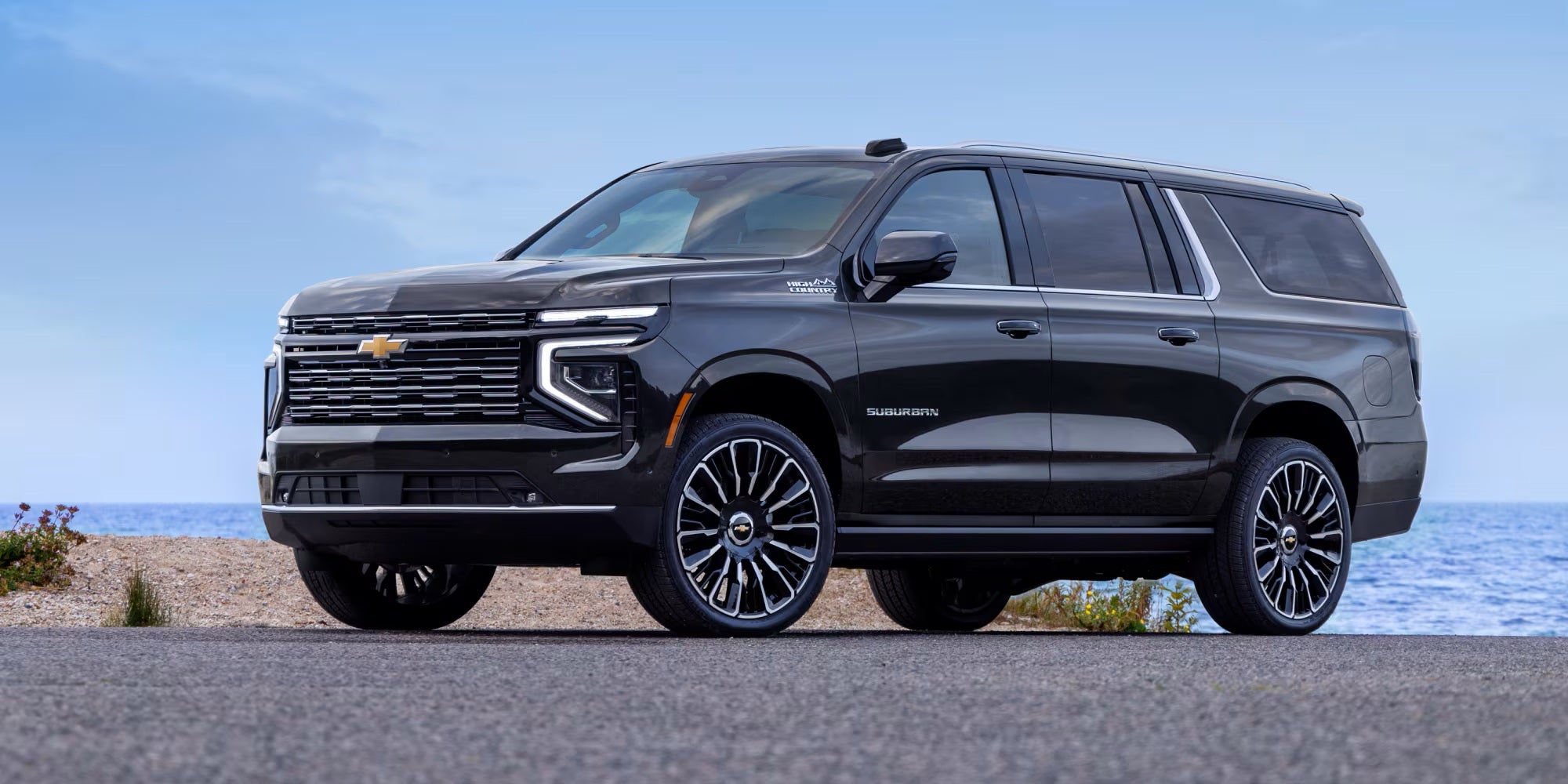
When winter weather arrives around McKenna, Yelm, Roy, Spanaway, Lacey, and Olympia, the Chevy Suburban gives families the space, capability, and comfort they need for changing Pacific Northwest conditions. At Northwest Chevrolet, part of the Dinsmore Auto Group, we help local drivers compare full-size SUVs and see why the Suburban is a practical choice for wet roads, winter gear, long-distance travel, and busy family schedules.
Key Takeaways
The Chevy Suburban provides 41.5 cubic feet of cargo space behind its third row and up to 144.5 cubic feet with the rear seats folded.
The Ford Expedition Max is a capable extended-length SUV, but its maximum cargo capacity is lower than the Suburban’s.
Available four-wheel drive, confidence-inspiring safety technology, ground clearance, tires, and driver awareness are important winter-driving considerations.
The Suburban is especially well suited to family travel because it combines three-row seating with substantial usable space for winter gear.
Northwest Chevrolet can help local shoppers compare available full-size SUVs and find a configuration that suits their needs.
Which Is Better for Washington Winters?
For families shopping for a large SUV for snow, the Chevy Suburban is our clear recommendation. The Ford Expedition Max remains a strong full-size SUV comparison choice, particularly for shoppers who want a long-wheelbase Ford with roomy seating and substantial cargo capacity. Still, the Suburban’s combination of expansive interior space, available four-wheel drive, everyday versatility, and long-distance comfort makes it an especially compelling winter driving SUV for Western Washington.
Washington winter driving can mean several conditions in a single trip. A morning drive from McKenna to Olympia may involve steady rain and standing water, while a family outing toward higher elevations can bring cold temperatures, snow, slush, or icy patches. A full-size SUV should give you space for passengers and confidence for the route ahead without forcing you to leave essential gear behind.
The Suburban is designed for that kind of flexibility. It gives families a three-row cabin, a commanding view of the road, and a cargo area that remains genuinely useful even when every seating row is occupied. That last point matters when you are packing snow boots, wet jackets, grocery bags, sports equipment, a stroller, emergency supplies, or luggage for a long weekend.
How Do Space and Comfort Compare?
Space is often the deciding factor in the Chevy Suburban vs. Ford Expedition Max discussion. Both vehicles are extended-length, three-row SUVs built for large families, travel, and towing needs. However, the Suburban gives you a major advantage in overall cargo volume.
The 2026 Chevy Suburban offers 41.5 cubic feet of cargo space behind the third row, 93.8 cubic feet behind the second row, and up to 144.5 cubic feet with the rear seating folded. The Expedition Max offers approximately 36 cubic feet behind its third row, approximately 75 cubic feet behind its second row, and roughly 123 cubic feet at maximum capacity.
That difference is meaningful in daily life. With all three rows in use, the Suburban’s added cargo room can make it easier to take everyone along without stacking bags in the passenger area or choosing between people and equipment. For a family SUV comparison, that practical third-row cargo space may be more valuable than a specification sheet suggests.
The Suburban also works well for the broad range of trips Pacific Northwest families take. It can serve as a comfortable school-and-activity vehicle during the week, then become a road-trip-ready SUV for a ski weekend, camping trip, holiday visit, or towing job. Its generous layout helps prevent the cabin from feeling crowded when the weather encourages everyone to bring extra layers and gear.
What Winter Features Matter Most?
When choosing a full-size SUV for winter driving, start with traction and control. Available four-wheel drive can provide extra capability when conditions become slick, and the Suburban’s available four-wheel-drive system is designed to help drivers manage snow-covered, icy, or uneven roads. Four-wheel-drive high is useful when added traction is needed, while four-wheel-drive low can be beneficial in deeper snow or more demanding low-speed situations.
However, four-wheel drive is only one part of winter readiness. We encourage shoppers to consider the complete vehicle setup:
Winter-rated tires, with proper tread depth and inflation, can make a major difference in snow, slush, and cold rain.
Advanced driver-assistance and safety technology can help support awareness during dark, wet, and congested winter commutes.
A spacious, organized cargo area makes it easier to carry traction equipment, an ice scraper, warm layers, blankets, a first-aid kit, and emergency supplies.
Strong heating and defrosting performance matters for comfort and visibility.
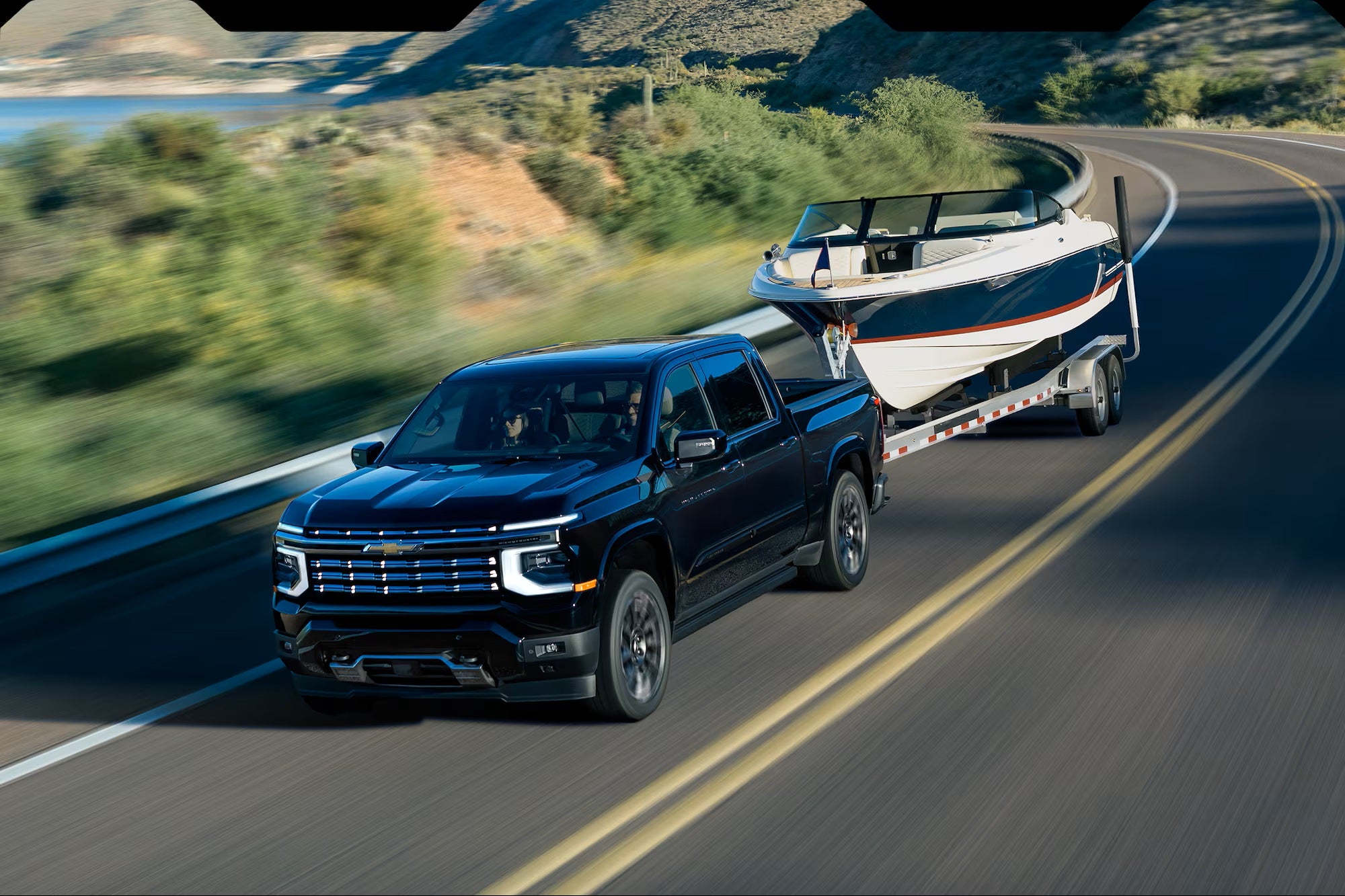
Towing capability can be valuable for trailers, boats, or recreational equipment, though drivers should always follow equipment limits and allow more stopping distance in poor weather.
No SUV eliminates the need for careful driving. Slow down, increase following distance, use smooth steering and braking inputs, and check road and pass conditions before traveling. But when you begin with a properly equipped SUV, you are better prepared for the season.
Which SUV Fits Family Travel Best?
The Ford Expedition Max deserves consideration for shoppers who need a large three-row vehicle. It brings family-friendly seating, available four-wheel drive, and useful cargo room to the table. Yet the Chevy Suburban stands out for families who want room to grow, more flexibility for gear, and a better chance of keeping the third row in use while still carrying everything needed for the trip.
For many Washington households, the best vehicle is not simply the one with the most seats. It is the one that lets you use those seats and still bring along the things that make winter travel work. The Suburban’s 41.5 cubic feet behind the third row gives it a practical edge over the Expedition Max for loaded family travel.
If you are comparing AWD vehicles in the Pacific Northwest or looking for a full-size SUV that can handle family duties in every season, we recommend spending time inside each model. Open the rear liftgate, examine the third-row area, and think through a real trip with real passengers and real winter equipment. That is often when the Suburban’s advantage becomes clearest.
Where Can You Compare Full-Size SUVs?
A large SUV is a long-term decision, and local guidance can make the shopping process easier. Our team understands the driving conditions throughout the McKenna area and the surrounding communities, from rainy commutes toward Lacey and Olympia to weekend routes that call for extra passenger space and prepared winter packing.
Before the season gets busier, browse the current selection at Northwest Chevrolet, compare available Suburban models on our lot, and schedule a test drive to see how the space, seating, and features fit your family. We take pride in helping shoppers make informed decisions, not simply choose the largest vehicle available.
For drivers asking, “Which is better for Washington winters, the Chevy Suburban or Ford Expedition Max?” the Chevy Suburban makes the strongest case with its standout cargo capacity, adaptable three-row design, and available capability for changing conditions. Visit Northwest Chevrolet in McKenna, part of the Dinsmore Auto Group, to explore our available vehicles in stock and schedule your Suburban test drive today.
*Penned by AI, polished by humans