




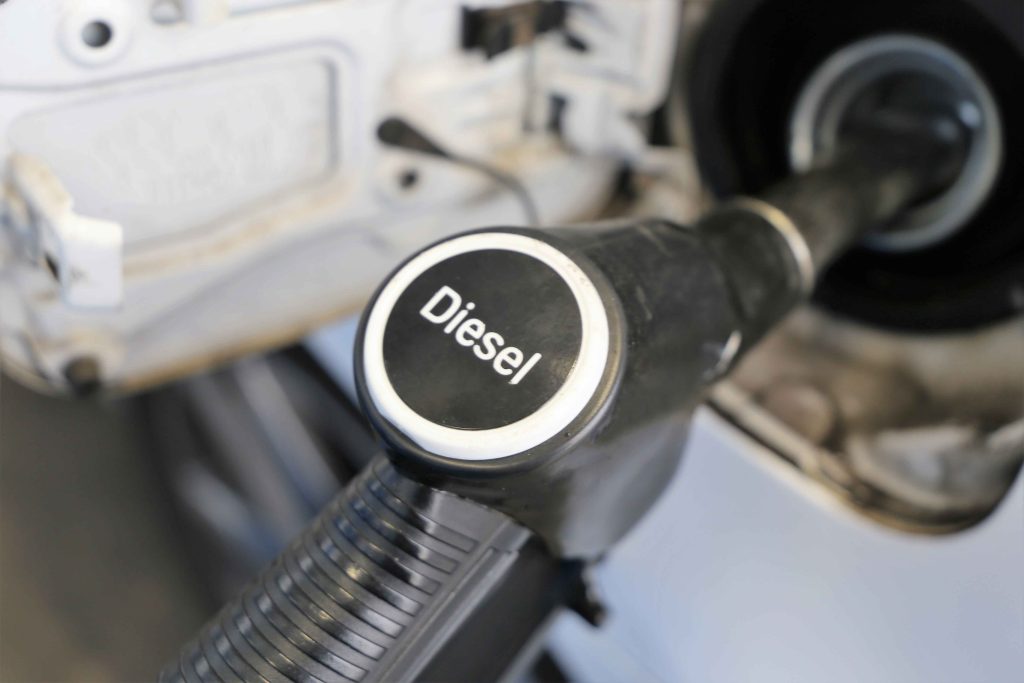
When it comes to choosing between diesel and gasoline engines, car buyers often weigh the pros and cons, especially regarding fuel efficiency. In this comprehensive guide, we’ll delve into the differences between diesel and gasoline engines, emphasizing the MPG advantages of diesel. Whether you’re a seasoned driver or a new car buyer at Northwest Chevrolet, this blog will equip you with the knowledge to make an informed decision.
Understanding Diesel and Gasoline Engines
Diesel Engines
Diesel engines operate using compression ignition, which means the air is compressed before fuel injection. This high compression ratio leads to better efficiency and more power. Diesel fuel has a higher energy content than gasoline, contributing to its superior fuel economy.
Advantages of Diesel Engines:
Fuel Efficiency: Diesel engines typically offer better fuel economy compared to gasoline engines, translating to more miles per gallon (MPG).
Torque and Power: Diesel engines produce more torque, making them ideal for towing and hauling heavy loads.
Longevity: Diesel engines are known for their durability and can often run for longer distances than gasoline engines before requiring major maintenance.
Gasoline Engines
Gasoline engines use spark ignition, where the air-fuel mixture is ignited by a spark plug. These engines are generally more common in passenger vehicles and offer a smoother and quieter ride.
Advantages of Gasoline Engines:
Initial Cost: Gasoline vehicles usually have a lower upfront cost compared to diesel vehicles.
Availability: Gasoline is more widely available at fuel stations, making it convenient for everyday use.
Lower Emissions: Modern gasoline engines have made significant strides in reducing emissions, making them more environmentally friendly in some aspects.
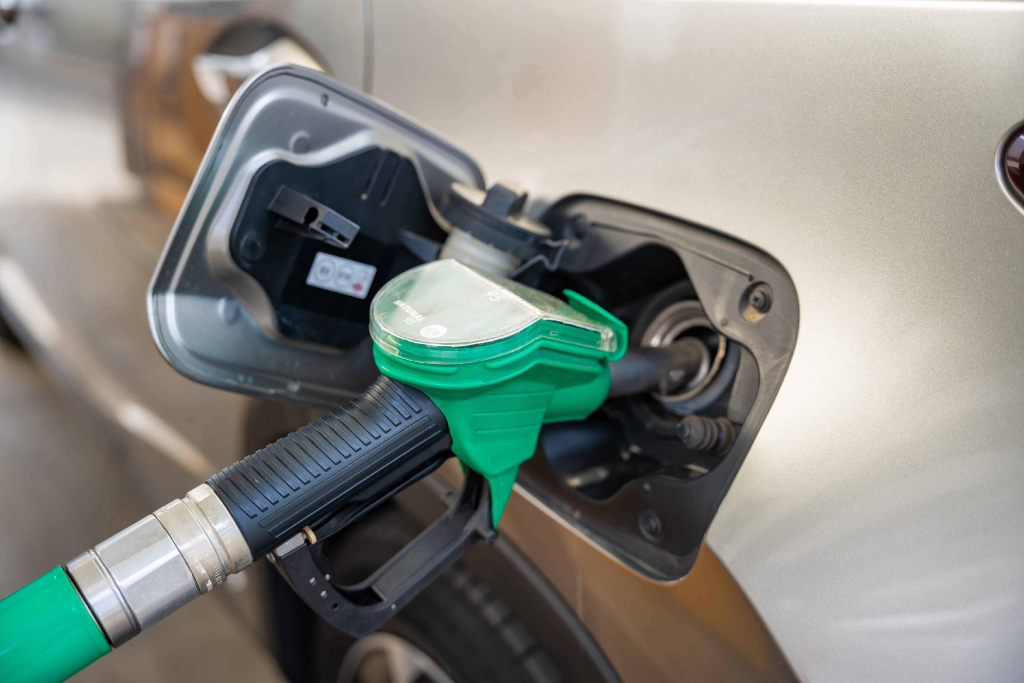
Diesel vs. Gas: MPG Comparison
When comparing diesel vs. gas in terms of MPG, diesel engines consistently come out on top. Here’s why:
Higher Energy Density
Diesel fuel contains more energy per gallon than gasoline. This higher energy density means that diesel engines can extract more energy from the same amount of fuel, leading to better fuel economy.
Efficiency of Compression Ignition
The compression ignition process used in diesel engines is inherently more efficient than the spark ignition process in gasoline engines. This efficiency translates to more miles per gallon.
Real-World MPG
In real-world driving conditions, diesel engines often outperform their gasoline counterparts. For example, a diesel-powered vehicle might achieve 30-35 MPG on the highway, while a similar gasoline vehicle might only achieve 20-25 MPG.
Turbocharging
Many modern diesel engines are turbocharged, which enhances their efficiency and performance. Turbocharging allows diesel engines to provide more power without significantly increasing fuel consumption.
Practical Advantages of Diesel
Cost Savings
The superior fuel economy of diesel engines can lead to significant cost savings over time. While diesel fuel may be slightly more expensive than gasoline, the increased MPG means you’ll be filling up less often, reducing your overall fuel expenses.
Environmental Impact
While diesel engines have historically been criticized for their higher emissions of nitrogen oxides (NOx) and particulate matter, advancements in diesel technology have mitigated many of these concerns. Modern diesel engines are equipped with sophisticated emission control systems that reduce harmful pollutants. Additionally, the improved fuel efficiency means fewer carbon dioxide (CO2) emissions per mile traveled.
Performance for Heavy-Duty Tasks
Diesel engines shine in heavy-duty applications. Their high torque output makes them ideal for towing trailers, hauling heavy loads, and other demanding tasks. This is why many trucks and commercial vehicles are equipped with diesel engines.
Longevity and Durability
Diesel engines are built to withstand higher levels of stress and compression, which often translates to a longer lifespan. Many diesel engines can easily surpass 200,000 miles with proper maintenance, making them a solid investment for long-term vehicle ownership.
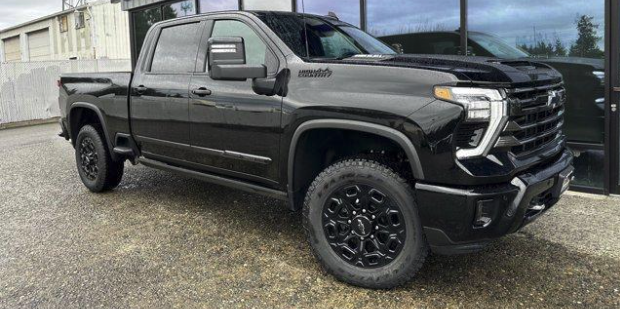
Making the Right Choice at Northwest Chevrolet
Choosing between diesel and gasoline ultimately depends on your specific needs and driving habits. At Northwest Chevrolet, we offer a range of vehicles powered by both types of engines, ensuring you can find the perfect fit.
Consider Your Driving Habits
Long Commutes: If you have a long daily commute or frequently drive long distances, a diesel vehicle’s superior MPG can save you money on fuel.
Towing and Hauling: For those who need a vehicle for towing boats, trailers, or other heavy loads, a diesel engine’s high torque is advantageous.
City Driving: If most of your driving is done in the city, a gasoline engine might be more practical due to its lower initial cost and smoother operation.
Evaluate Total Ownership Costs
When evaluating the total cost of ownership, consider not just the initial purchase price but also the long-term savings on fuel, maintenance, and potential resale value. Diesel vehicles often have higher resale values due to their durability and fuel efficiency.
Environmental Considerations
If reducing your carbon footprint is a priority, modern diesel engines with advanced emission controls offer a greener option compared to older diesel technology. Additionally, some gasoline engines now feature hybrid technology, providing an eco-friendly alternative.
Conclusion
In the diesel vs. gas debate, diesel engines stand out for their superior fuel efficiency, high torque, and long-term durability. While gasoline engines offer advantages in terms of initial cost and availability, the MPG advantages of diesel can lead to significant savings over time, especially for those with heavy-duty needs or long commutes. At Northwest Chevrolet, our knowledgeable team can help you navigate these choices to find the perfect vehicle for your lifestyle. Visit us today to learn more about and test drive the diesel truck of your dreams.
Instagram
YouTube
Facebook
LinkedIn
Connect with us

