




Blog / Northwest Chevrolet

Blog

All Northwest Chevrolet Northwest Chevrolet Service Lacey Chevrolet Dealer Lacey Chevrolet Service
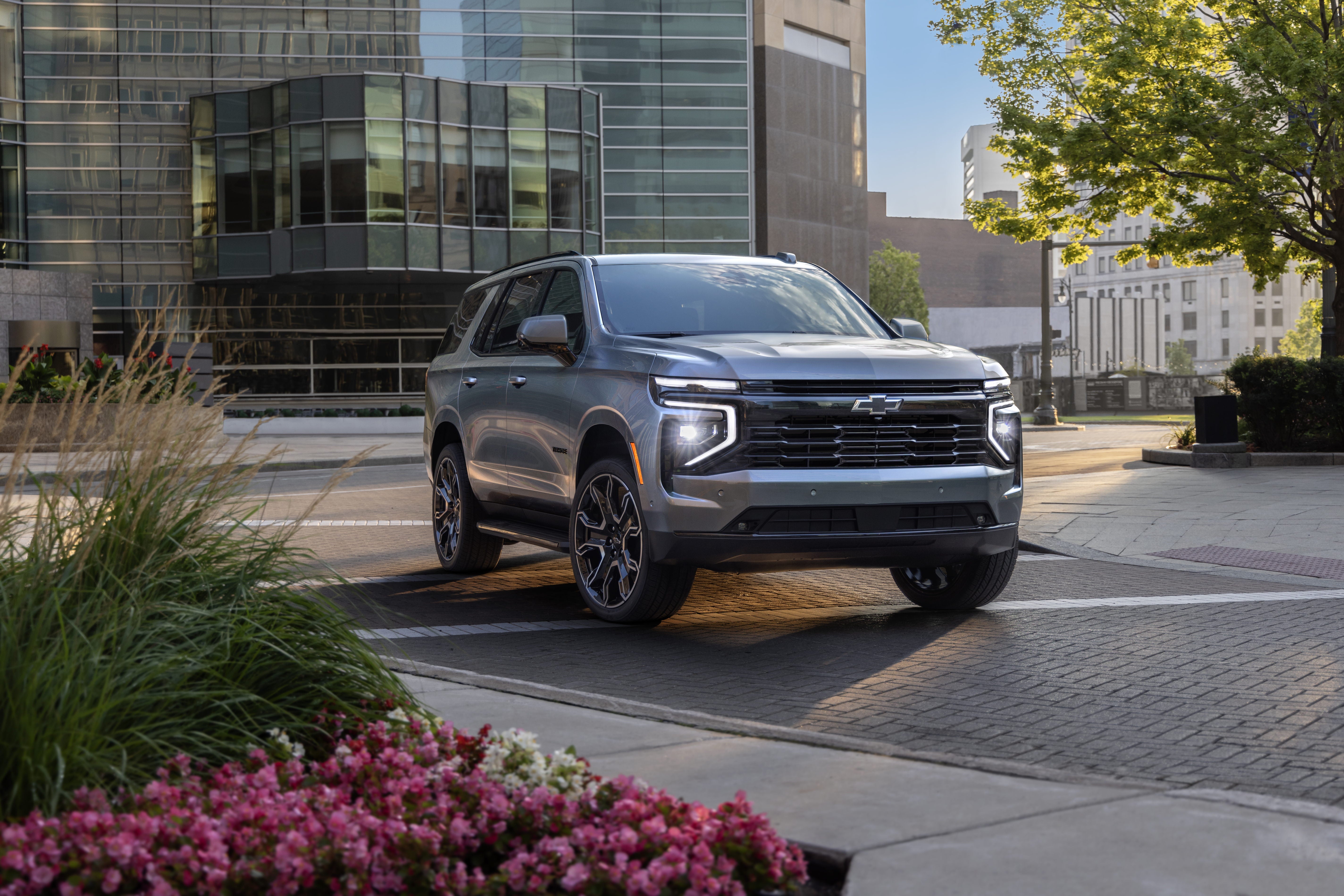
Why the Chevy Tahoe Fits McKenna Roads

Why the Chevy Tahoe Fits McKenna Roads

From wet backroads and gravel driveways to weekend trips beyond the pavement, the Chevy Tahoe is built to meet the changing demands of Pacific Northwest driving. At Northwest Chevrolet, part of the Dinsmore Auto Group, we know McKenna-area drivers need a full-size SUV that feels composed on the daily commute while remaining ready for mud, rain, uneven ground, towing, and family adventures. Key Takeaways The Chevy Tahoe offers available four-wheel drive to help provide added traction on loose, wet, and uneven surfaces. Tahoe Z71 models add off-road-focused equipment, including all-terrain tires, protective skid plates, recovery hooks, and a two-speed transfer case. A spacious cabin and strong towing capability make the Tahoe practical for people, cargo, trailers, and outdoor equipment. Available drive modes and suspension features can help the Tahoe adapt to changing Pacific Northwest road conditions. Northwest Chevrolet offers a convenient place for McKenna, Yelm, Roy, Spanaway, Lacey, and Olympia shoppers to explore available Tahoe models. What Makes the Tahoe a Good Choice for Rough Roads? The Pacific Northwest asks a lot of an SUV. One day may involve a rain-soaked commute through Yelm or Spanaway, while the next could include hauling camping equipment down a gravel access road near Olympia. A terrain-ready SUV needs more than a tall seating position. It should provide useful traction, confident power, durable engineering, passenger room, and capability that supports how people actually travel. The Chevy Tahoe capability package starts with its full-size SUV design. It gives drivers a commanding view of the road, generous interior room, and the kind of substantial build that feels at home on highways, rural routes, and unpaved roads. Whether you are carrying a full family, loading outdoor gear, or bringing a trailer along for the weekend, the Tahoe offers versatility without requiring you to move into a pickup truck. Available four-wheel drive is especially valuable for drivers considering a full-size SUV for rough roads. Four-wheel drive can help send power where it is needed when surfaces become slick, loose, or uneven. That added confidence matters when rain leaves dirt roads soft, when gravel shifts under the tires, or when a steep driveway becomes more challenging in winter weather. It is important to remember that even a capable SUV has limits. Road conditions, tires, visibility, weather, driver skill, and proper maintenance all affect real-world performance. The Tahoe is designed to support confident travel, but thoughtful driving remains essential wherever the road takes you. How Does the Tahoe Handle Uneven Terrain? How does the Chevy Tahoe handle uneven terrain? Its strength comes from a combination of size, available four-wheel-drive hardware, suspension design, and drive-focused technology. Rather than relying on one feature alone, the Tahoe is engineered to help drivers manage a variety of surfaces with more control and comfort. For shoppers who expect regular Tahoe off-road use, the Z71 trim deserves close attention. This model is designed with rugged driving in mind and includes equipment that is particularly useful beyond smooth pavement. Depending on configuration and availability, off-road-oriented Tahoe equipment can include: An Autotrac two-speed active transfer case for four-wheel-drive capability, including low-range gearing for demanding, low-speed situations. All-terrain tires that are designed to better handle loose gravel, dirt, and inconsistent surfaces than typical road-focused tires. An aluminum skid plate that helps protect key underbody areas from trail obstacles. Red recovery hooks, which add practical utility when traveling in more remote places. A front-end design intended to support a more trail-ready approach angle. Available air ride adaptive suspension, which can adjust ride height to provide additional clearance when conditions call for it. These SUV traction features are useful because Pacific Northwest terrain is rarely uniform. A route may include pavement, washboard gravel, puddles, packed dirt, and rutted sections within a single drive. The Tahoe is not just intended for extreme trails. It is also a sensible choice for people who want a comfortable family SUV with the extra confidence to handle the imperfect roads that come with rural property, recreation areas, and outdoor travel. Which Features Matter Near McKenna? What SUV features matter most for rugged driving near McKenna? Start by thinking about where and how you drive most often. If your Tahoe will mainly cover paved roads with occasional wet grass, gravel, or snow, available four-wheel drive may be the priority. If you regularly travel over unpaved access roads, manage uneven terrain, or head farther from town for camping and recreation, an off-road-oriented model such as the Tahoe Z71 may be a better fit. For many drivers near Roy, Lacey, and Olympia, the most useful features include: Four-wheel drive: Helpful for changing traction conditions, including rain-slick pavement, loose gravel, mud, and light snow. A two-speed transfer case: Valuable for drivers who need low-range gearing for slow, controlled travel on more difficult terrain. All-terrain tires: A practical consideration for frequent gravel roads or outdoor routes. Underbody protection: Skid plates can help protect vulnerable components from rocks and uneven trail surfaces. Ground clearance: Extra clearance can be beneficial when navigating ruts, deep gravel, or obstacles. Cargo and passenger space: A true full-size SUV should have room for people, supplies, pets, camping gear, and sports equipment. Trailering capability: The Tahoe can be configured for strong towing performance, making it useful for boats, utility trailers, and recreational equipment. The right Tahoe is the one that matches your routine, not simply the one with the longest feature list. We recommend discussing where you drive, what you tow, and how many passengers you usually carry so you can compare the configurations that make the most sense. Is the Tahoe Ready for Pacific Northwest Conditions? Is the Chevy Tahoe suitable for Pacific Northwest conditions? For many households, it is a strong match. The region combines frequent rain, variable temperatures, rural roads, commuter traffic, outdoor destinations, and seasonal weather that can change quickly. A Tahoe brings full-size comfort and utility to those realities. On a weekday, that can mean a comfortable drive between McKenna and nearby communities like Yelm, Spanaway, or Olympia. On the weekend, it can mean loading up coolers, hiking gear, fishing equipment, or luggage and heading out with the whole crew. With three rows of seating and adaptable cargo space, the Tahoe makes it easier to bring more along without sacrificing the confidence of a substantial SUV. Available trailering capability also broadens the Tahoe’s role. Drivers who need to tow a boat, a small camper, ATVs, or a utility trailer can appreciate having a vehicle built to handle both passengers and equipment. Proper trailer setup, loaded weight, and specific vehicle configuration matter, so it is always wise to confirm the ratings and equipment for the Tahoe you are considering. If you are comparing AWD vehicles in the Pacific Northwest, remember that the Tahoe’s available four-wheel-drive system offers a different kind of utility. It is designed for drivers who may encounter more demanding surfaces and want the added flexibility of four-wheel-drive settings, especially when conditions move beyond the city street. Where Can You Explore Tahoe Models? A vehicle purchase should feel informed, not rushed. That is why a test drive is valuable when comparing a Chevy Tahoe rugged terrain setup with other full-size SUVs. Sit in all three rows, check cargo access, review the four-wheel-drive and drive-mode controls, and consider how the vehicle would fit your driveway, trailer, passengers, and weekend plans. You can browse our current selection, compare available Tahoe models, and schedule a test drive to see which configuration fits your needs. Northwest Chevrolet has a local reputation for helping drivers find vehicles that make sense for real life, and our connection to the Dinsmore Auto Group gives shoppers added confidence as they explore available models and options. For a full-size SUV that can manage daily life, outdoor travel, and the changing terrain around McKenna, the Chevy Tahoe is worth a closer look. Visit Northwest Chevrolet in McKenna, part of the Dinsmore Auto Group, to browse vehicles in stock, discuss the right Tahoe features for your routine, and schedule a test drive today. Instagram YouTube Facebook LinkedIn *Penned by AI, polished by humans
Last Call for Summer Projects at NW Chevrolet

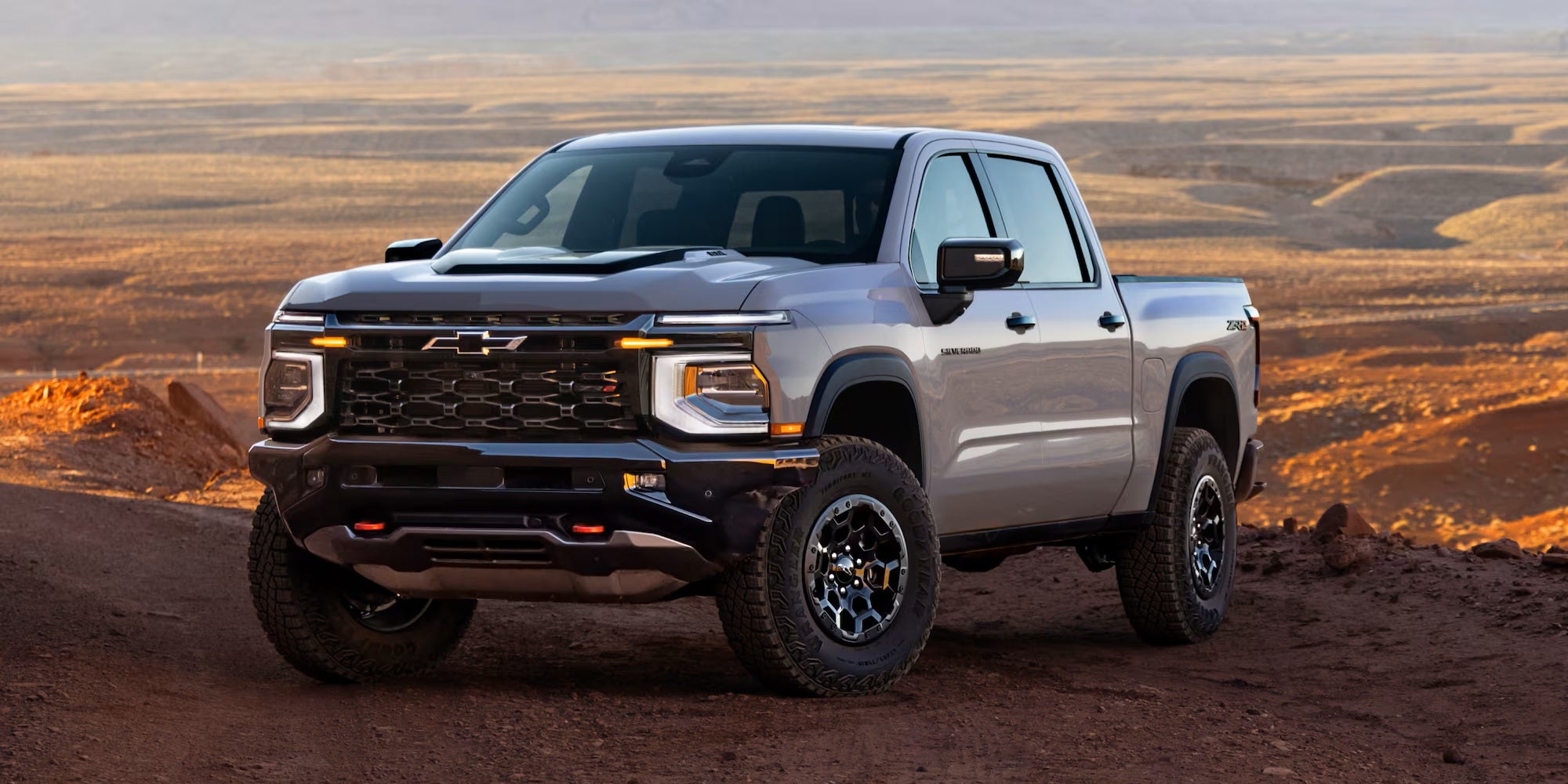
Last Call for Summer Projects at NW Chevrolet

When the summer project list starts getting shorter, it is a great time to make sure you have the right truck for the work still ahead. At Northwest Chevrolet in McKenna, part of the Dinsmore Auto Group, we help Pacific Northwest drivers find Chevy trucks that fit everything from mulch runs and home improvement supplies to trailers, equipment, boats, and weekend getaway gear. Key Takeaways The Chevy Colorado is a practical midsize option for lighter hauling, weekend projects, and everyday driving. The Chevy Silverado 1500 offers flexible cab configurations, truck bed length options, and capability for larger home and work projects. Chevy Silverado HD trucks are built for drivers with more demanding hauling and towing needs. Choosing the right Chevy truck starts with considering your cargo, trailer weight, passenger needs, and where you plan to drive. Northwest Chevrolet in McKenna is a convenient place for Chevy truck shopping near Yelm, Roy, Spanaway, Lacey, and Olympia. Which Chevy truck is best for summer projects? The right answer depends on the work you have planned. Some drivers need a truck for occasional trips to the garden center, loading tools, or carrying camping gear. Others need a dependable work truck for towing a utility trailer, hauling building materials, or moving equipment between job sites. For many homeowners and active drivers around McKenna, Yelm, and Olympia, the Chevy Colorado is an appealing starting point. This midsize Chevy truck is easier to maneuver than a full-size pickup while still offering the versatility needed for common summer projects. A Colorado can be a smart fit for trips to the hardware store, landscaping supplies, recreational equipment, and smaller trailers. It is especially worth considering for drivers who want a truck that remains comfortable and manageable for daily commuting after the project is complete. When the job calls for more space, capacity, or flexibility, the Chevy Silverado 1500 is a natural next step. Silverado 1500 models offer a wide range of configurations, so drivers can prioritize passenger room, bed space, towing capability, or a balanced combination of all three. From home renovations to hauling a trailer for a weekend at the water, the Silverado 1500 gives many Pacific Northwest households the extra confidence that comes with full-size truck capability. For the biggest jobs, a Chevy Silverado HD may be the better match. Silverado 2500 HD and Silverado 3500 HD trucks are designed for drivers who regularly handle large trailers, substantial equipment, or heavier loads. If your late-summer plans involve a large RV, construction equipment, a livestock trailer, or a demanding work setup, an HD truck can provide the capability you need when properly configured. What should I look for in a truck for hauling? Before choosing a Chevy truck, think about what will actually go in the bed and what you may need to tow. It is easy to focus on a truck’s appearance, but the best truck for summer projects is one that fits your real-world routine. Start with payload and cargo needs. Carrying bags of gravel, lumber, gardening equipment, tools, or furniture requires enough truck-bed capacity for the load. If you frequently transport long materials, truck bed length matters as much as overall payload. A longer bed can make it easier to carry lumber, ladders, and larger project materials, while a shorter bed may be more convenient for drivers who want easier parking and maneuverability around town. Next, consider hauling and towing needs. If you plan to pull a utility trailer, boat, camper, landscaping trailer, or other equipment, it is important to know the trailer’s loaded weight, not just its empty weight. Available towing ratings vary by model, engine, drivetrain, equipment, cab configuration, and axle setup. The Chevy Colorado offers up to 7,700 pounds of available towing when properly equipped, while the Silverado 1500 can provide substantially greater available trailering capability for larger projects and trailers. A few truck features can make regular project work easier: Tie-down points and bed accessories can help secure cargo. A bedliner can help protect the truck bed from heavy or rough materials. Trailer equipment and available trailering technology can support more confident towing. Four-wheel drive may be useful for unpaved driveways, wet job sites, forest roads, and changing Pacific Northwest conditions. Driver-assistance features can add peace of mind during busy trips between home, work, and project destinations. We recommend reviewing the exact capabilities of each available vehicle rather than assuming every truck configuration has the same ratings. That attention to detail helps you choose a truck that is prepared for the work you plan to do. How do cab and bed options affect your choice? Cab configurations are a major part of Chevy truck shopping because they determine how much room you have for passengers, gear, and tools inside the vehicle. A Regular Cab can make sense for a straightforward work truck setup with a focus on bed space. A Double Cab offers additional seating while maintaining a practical pickup design. A Crew Cab is often a strong choice for families, work crews, and drivers who want more rear-seat room for passengers or protected interior storage. Truck bed length is just as important. A shorter bed may suit drivers who value maneuverability and have lighter hauling needs. A standard or longer bed can be more useful for contractors, DIY enthusiasts, property owners, and anyone who routinely transports bulky materials. The right combination comes down to your priorities. For example, a driver in Spanaway tackling a deck project may value longer bed space for lumber and supplies. A family near Lacey that uses a truck for camping, towing a small trailer, and weekday errands may prefer the passenger room of a Crew Cab. A business owner near Roy may focus on a work truck configuration with the capability and practicality needed for daily equipment hauling. Where can I shop for a Chevy truck near McKenna? If you are comparing work truck options, truck bed length, cab configurations, or towing features, visit Northwest Chevrolet in McKenna. Our team understands that one driver may need a Chevy Colorado for practical weekend work while another needs a Silverado 1500 or Silverado HD for larger hauling and towing needs. You can browse our current selection, compare available models on our lot, and schedule a test drive to get a better feel for the size, visibility, interior space, and utility of each truck. A walkaround is also a helpful opportunity to see how bed dimensions, cab seating, and available features match your project checklist. Northwest Chevrolet serves Chevy truck shoppers from McKenna, Yelm, Roy, Spanaway, Lacey, Olympia, and surrounding Pacific Northwest communities. As part of the Dinsmore Auto Group, we are ready to help you explore available Chevy trucks, compare configurations, and find the right pickup before summer projects turn into fall to-do lists. Visit Northwest Chevrolet in McKenna, browse our current inventory, or schedule your test drive today. Instagram YouTube Facebook LinkedIn *Penned by AI, polished by humans
Preparing for Washington Winters: Chevy Suburban vs. Ford Expedition Max

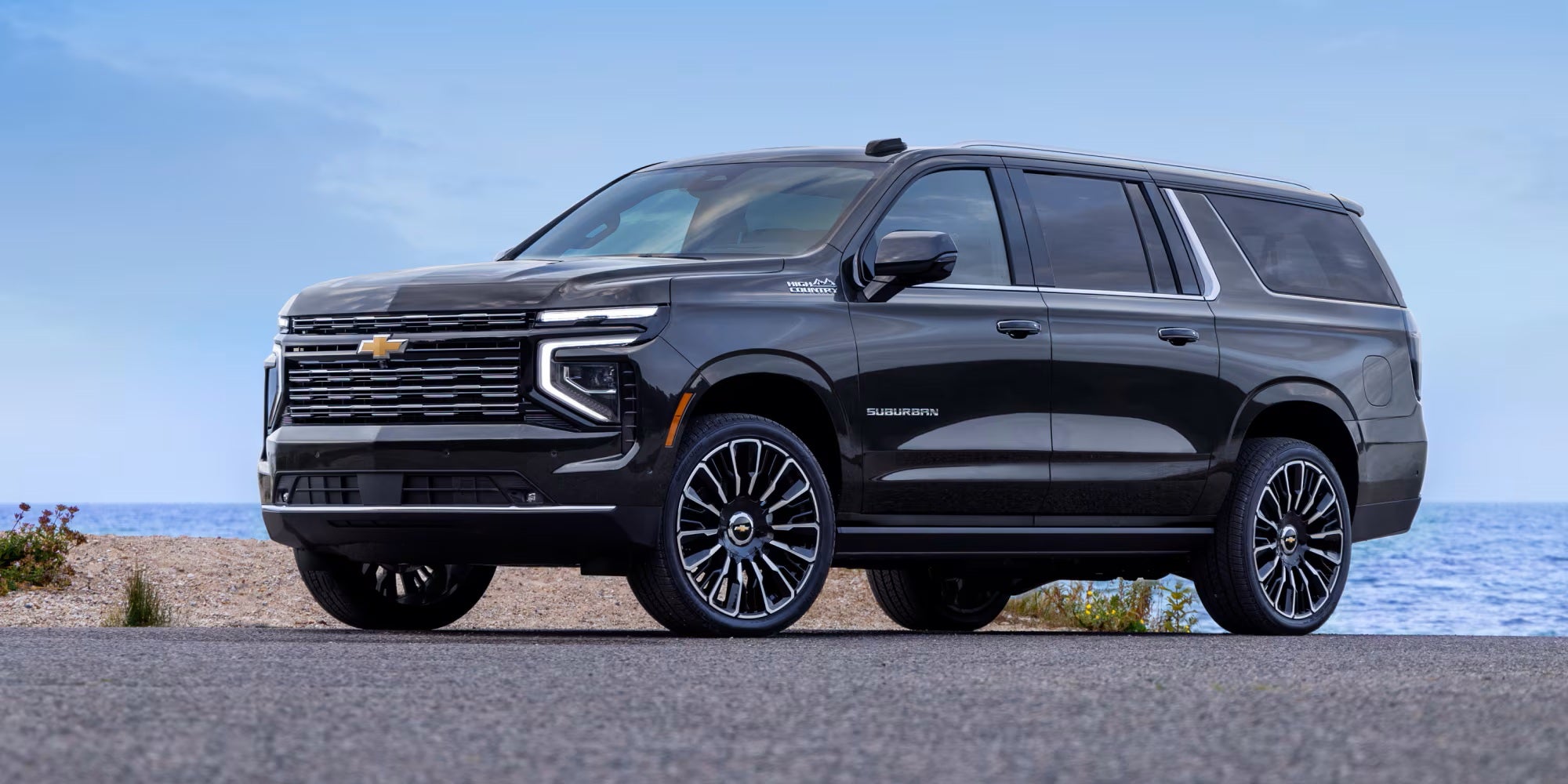
Preparing for Washington Winters: Chevy Suburban vs. Ford Expedition Max

When winter weather arrives around McKenna, Yelm, Roy, Spanaway, Lacey, and Olympia, the Chevy Suburban gives families the space, capability, and comfort they need for changing Pacific Northwest conditions. At Northwest Chevrolet, part of the Dinsmore Auto Group, we help local drivers compare full-size SUVs and see why the Suburban is a practical choice for wet roads, winter gear, long-distance travel, and busy family schedules. Key Takeaways The Chevy Suburban provides 41.5 cubic feet of cargo space behind its third row and up to 144.5 cubic feet with the rear seats folded. The Ford Expedition Max is a capable extended-length SUV, but its maximum cargo capacity is lower than the Suburban’s. Available four-wheel drive, confidence-inspiring safety technology, ground clearance, tires, and driver awareness are important winter-driving considerations. The Suburban is especially well suited to family travel because it combines three-row seating with substantial usable space for winter gear. Northwest Chevrolet can help local shoppers compare available full-size SUVs and find a configuration that suits their needs. Which Is Better for Washington Winters? For families shopping for a large SUV for snow, the Chevy Suburban is our clear recommendation. The Ford Expedition Max remains a strong full-size SUV comparison choice, particularly for shoppers who want a long-wheelbase Ford with roomy seating and substantial cargo capacity. Still, the Suburban’s combination of expansive interior space, available four-wheel drive, everyday versatility, and long-distance comfort makes it an especially compelling winter driving SUV for Western Washington. Washington winter driving can mean several conditions in a single trip. A morning drive from McKenna to Olympia may involve steady rain and standing water, while a family outing toward higher elevations can bring cold temperatures, snow, slush, or icy patches. A full-size SUV should give you space for passengers and confidence for the route ahead without forcing you to leave essential gear behind. The Suburban is designed for that kind of flexibility. It gives families a three-row cabin, a commanding view of the road, and a cargo area that remains genuinely useful even when every seating row is occupied. That last point matters when you are packing snow boots, wet jackets, grocery bags, sports equipment, a stroller, emergency supplies, or luggage for a long weekend. How Do Space and Comfort Compare? Space is often the deciding factor in the Chevy Suburban vs. Ford Expedition Max discussion. Both vehicles are extended-length, three-row SUVs built for large families, travel, and towing needs. However, the Suburban gives you a major advantage in overall cargo volume. The 2026 Chevy Suburban offers 41.5 cubic feet of cargo space behind the third row, 93.8 cubic feet behind the second row, and up to 144.5 cubic feet with the rear seating folded. The Expedition Max offers approximately 36 cubic feet behind its third row, approximately 75 cubic feet behind its second row, and roughly 123 cubic feet at maximum capacity. That difference is meaningful in daily life. With all three rows in use, the Suburban’s added cargo room can make it easier to take everyone along without stacking bags in the passenger area or choosing between people and equipment. For a family SUV comparison, that practical third-row cargo space may be more valuable than a specification sheet suggests. The Suburban also works well for the broad range of trips Pacific Northwest families take. It can serve as a comfortable school-and-activity vehicle during the week, then become a road-trip-ready SUV for a ski weekend, camping trip, holiday visit, or towing job. Its generous layout helps prevent the cabin from feeling crowded when the weather encourages everyone to bring extra layers and gear. What Winter Features Matter Most? When choosing a full-size SUV for winter driving, start with traction and control. Available four-wheel drive can provide extra capability when conditions become slick, and the Suburban’s available four-wheel-drive system is designed to help drivers manage snow-covered, icy, or uneven roads. Four-wheel-drive high is useful when added traction is needed, while four-wheel-drive low can be beneficial in deeper snow or more demanding low-speed situations. However, four-wheel drive is only one part of winter readiness. We encourage shoppers to consider the complete vehicle setup: Winter-rated tires, with proper tread depth and inflation, can make a major difference in snow, slush, and cold rain. Advanced driver-assistance and safety technology can help support awareness during dark, wet, and congested winter commutes. A spacious, organized cargo area makes it easier to carry traction equipment, an ice scraper, warm layers, blankets, a first-aid kit, and emergency supplies. Strong heating and defrosting performance matters for comfort and visibility. Towing capability can be valuable for trailers, boats, or recreational equipment, though drivers should always follow equipment limits and allow more stopping distance in poor weather. No SUV eliminates the need for careful driving. Slow down, increase following distance, use smooth steering and braking inputs, and check road and pass conditions before traveling. But when you begin with a properly equipped SUV, you are better prepared for the season. Which SUV Fits Family Travel Best? The Ford Expedition Max deserves consideration for shoppers who need a large three-row vehicle. It brings family-friendly seating, available four-wheel drive, and useful cargo room to the table. Yet the Chevy Suburban stands out for families who want room to grow, more flexibility for gear, and a better chance of keeping the third row in use while still carrying everything needed for the trip. For many Washington households, the best vehicle is not simply the one with the most seats. It is the one that lets you use those seats and still bring along the things that make winter travel work. The Suburban’s 41.5 cubic feet behind the third row gives it a practical edge over the Expedition Max for loaded family travel. If you are comparing AWD vehicles in the Pacific Northwest or looking for a full-size SUV that can handle family duties in every season, we recommend spending time inside each model. Open the rear liftgate, examine the third-row area, and think through a real trip with real passengers and real winter equipment. That is often when the Suburban’s advantage becomes clearest. Where Can You Compare Full-Size SUVs? A large SUV is a long-term decision, and local guidance can make the shopping process easier. Our team understands the driving conditions throughout the McKenna area and the surrounding communities, from rainy commutes toward Lacey and Olympia to weekend routes that call for extra passenger space and prepared winter packing. Before the season gets busier, browse the current selection at Northwest Chevrolet, compare available Suburban models on our lot, and schedule a test drive to see how the space, seating, and features fit your family. We take pride in helping shoppers make informed decisions, not simply choose the largest vehicle available. For drivers asking, “Which is better for Washington winters, the Chevy Suburban or Ford Expedition Max?” the Chevy Suburban makes the strongest case with its standout cargo capacity, adaptable three-row design, and available capability for changing conditions. Visit Northwest Chevrolet in McKenna, part of the Dinsmore Auto Group, to explore our available vehicles in stock and schedule your Suburban test drive today. Instagram YouTube Facebook LinkedIn *Penned by AI, polished by humans

Contact Us

Fill out this form below and we'll contact you shortly
*Required Fields