






Chevy Traverse vs. Ford Explorer: The Three-Row Throwdown
When families in the Pacific Northwest look for a three-row SUV, two names come up repeatedly: the Chevy Traverse and the Ford Explorer. Both offer seating for up to eight, family-friendly tech, and road trip-worthy cargo space. But when you dig into performance, comfort, and value—especially for drivers in McKenna, Lacey, and surrounding areas—key differences emerge. Northwest Chevrolet, part of the Dinsmore Auto Group, often sees customers weighing these two options, and for good reason.
Performance and Capability: Which SUV Handles Pacific Northwest Driving Better?
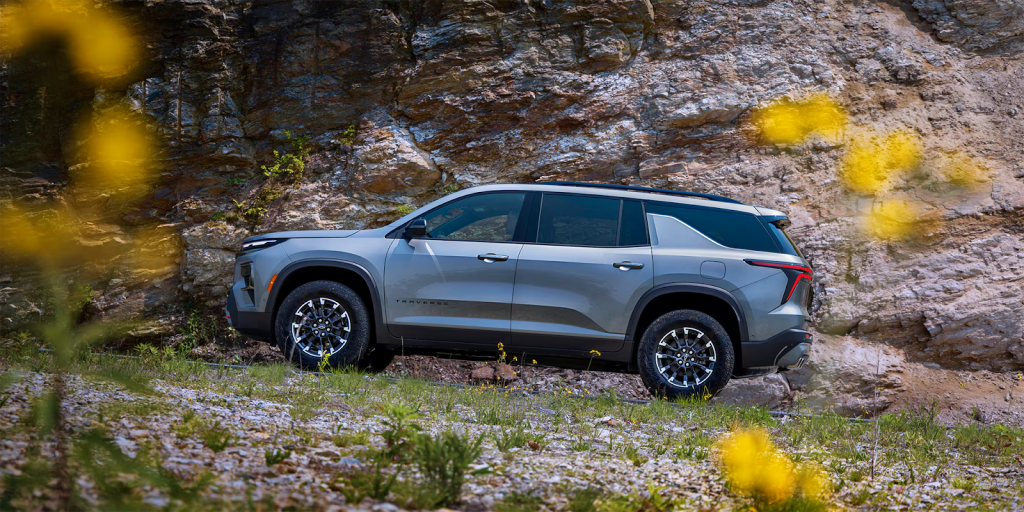
The 2025 Chevy Traverse delivers a balanced blend of power and efficiency that works well for both city commutes and weekend getaways. Its standard 2.5-liter turbocharged engine offers responsive acceleration with 315 horsepower, paired with an eight-speed automatic transmission. All-wheel drive is available, making it well-suited for the region’s mix of rain, winding highways, and occasional snow.
The Ford Explorer offers multiple engine choices, including a 2.3-liter turbocharged four-cylinder and an available twin-turbo V6. While the Explorer can out-muscle the Traverse in its higher trims, it often comes at a higher price and reduced fuel economy. In real-world conditions, the Traverse’s tuning feels smoother over uneven roads, and its lighter steering helps in tight parking spots—an everyday advantage in places like downtown Lacey or Olympia.
Interior Comfort and Passenger Space: Which SUV Feels Roomier?
Families appreciate the Traverse for its spacious third row. Even adults can sit comfortably in the back without knees pressing into the seat ahead. The Ford Explorer’s third row is better suited to kids or shorter trips due to tighter legroom. In the second row, both SUVs offer captain’s chairs or bench seating, but the Traverse’s flat floor adds more foot space and makes sliding between rows easier.
When it comes to materials, higher trims of both models feel upscale, but Chevy has refined the Traverse’s cabin with soft-touch surfaces and updated stitching patterns. The quieter ride at highway speeds is another plus for long drives across the Pacific Northwest’s varied terrain.
Cargo Space: Which SUV Holds More Gear for Road Trips?
Cargo space is where the Traverse really shines. With all seats up, it offers 23 cubic feet of space—plenty for groceries, sports gear, or camping supplies. Fold down both rear rows, and you get over 98 cubic feet, one of the largest capacities in the class.
The Ford Explorer starts with about 18 cubic feet behind the third row, which means bulkier strollers or coolers may require folding a seat. Maximum cargo capacity is 87.8 cubic feet—generous, but still smaller than the Traverse. For families who make frequent trips to Mount Rainier or coastal campgrounds, that extra space can mean fewer packing compromises.
Technology and Connectivity: Which SUV Offers the Better Infotainment Experience?
The 2025 Traverse comes standard with a large 17.7-inch touchscreen, wireless Apple CarPlay and Android Auto, plus an intuitive menu layout. Every trim also includes multiple USB ports across all rows—ideal for keeping kids entertained on longer drives.
The Ford Explorer’s standard 10.1-inch touchscreen is functional but smaller. Higher trims get a larger display, but its vertical orientation can feel cramped for navigation and split-screen functions. While both SUVs support smartphone integration, Chevy’s system is more user-friendly out of the box, especially for tech-savvy families in McKenna who want minimal setup time.
Safety Features: Which SUV Provides More Driver Assistance?
Both models come with robust safety suites. The Traverse includes Chevy Safety Assist as standard, with features like automatic emergency braking, lane keep assist, forward collision alert, and automatic high beams. Adaptive cruise control is available on higher trims.
The Ford Explorer includes Ford Co-Pilot360, with similar driver assistance features, but reserves some functions—like adaptive cruise and reverse brake assist—for more expensive trims. For budget-conscious buyers who still want strong safety tech, the Traverse’s standard package offers more value.

Ownership Costs and Value: Which SUV Fits a Pacific Northwest Budget Better?
Pricing for the 2025 Traverse starts competitively, and its maintenance costs are generally lower than the Explorer’s, thanks to simpler powertrain options and widely available GM parts. Fuel economy is similar in base engines, but the Traverse tends to edge ahead in real-world combined driving, particularly with all-wheel drive engaged.
Northwest Chevrolet customers also benefit from the Dinsmore Auto Group’s service network, making routine maintenance convenient whether you’re in McKenna, Lacey, or other nearby communities.
Where the Chevy Traverse Has the Edge for Pacific Northwest Drivers
For local families, the Traverse’s combination of roomier third-row seating, class-leading cargo capacity, and user-friendly tech make it a strong choice. It handles wet and winding roads confidently, offers more standard safety features, and delivers excellent long-term value. While the Ford Explorer appeals to buyers seeking higher horsepower options, the Traverse better matches the everyday needs and road conditions of the Pacific Northwest.
Final Thoughts for McKenna and Lacey Buyers
Choosing between the Chevy Traverse and Ford Explorer comes down to priorities. If you want maximum passenger and cargo space, a smoother ride, and strong standard safety features—all at a competitive price—the Traverse stands out. For buyers near McKenna and Lacey, visiting Northwest Chevrolet is a practical next step to experience the Traverse firsthand and see how it fits your lifestyle.
*Penned by AI, polished by humans
Connect with us


- July 2026
- June 2026
- May 2026
- April 2026
- March 2026
- February 2026
- January 2026
- December 2025
- November 2025
- October 2025
- September 2025
- August 2025
- July 2025
- June 2025
- May 2025
- April 2025
- March 2025
- February 2025
- January 2025
- November 2024
- September 2024
- August 2024
- July 2024
- June 2024
- May 2024
- April 2024
- March 2024
- February 2024